
Cooking with Teresa in Syracuse is hands-on Sicily. You start with a short ingredient walk in Ortigia, then step into Teresa’s winter kitchen a few minutes away and cook true home recipes with fresh seasonal produce—no “watch and wait” vibe. I love how practical this feels: Teresa teaches techniques and explains the why, so you can actually repeat the dishes later.
What I like most is that you’re not limited to one pasta trick. You’ll prepare three traditional dishes (starter, main, dessert), and you actively help throughout—mixing, shaping, and assembling as Teresa guides you in English. The one thing to factor in is the added €50 per person Point of Sale ingredient component, paid locally, plus the class runs about 2.5 hours (so it’s great if you want a focused experience, not a half-day tour).
In This Review
- Key highlights worth your time
- Teresa’s winter kitchen near Ortigia: home cooking, not a demo
- The 8:45 Ortigia ingredient walk and the €50 Point of Sale
- Three Sicilian recipes you’ll cook from scratch
- Starter: seasonal vegetable appetizer
- Main: fresh or dried pasta, plus Sicilian classics
- Dessert: Sicilian dessert or tiramisu
- How the lesson works: hands-on cooking with explanations in English
- What you eat at the table: wine and after-dinner treats
- Price and value in Syracuse (and why it’s not just the headline cost)
- Who this class suits best (and who should think twice)
- Getting there: meeting point and practical notes that matter
- Should you book Syracuse cooking with Teresa?
- FAQ
- What language is the cooking experience offered in?
- How long is the experience?
- Where do we meet, and does it end nearby?
- How many people are in the group?
- What do we cook and eat?
- Is there an extra fee besides the listed price?
- Do I have to cook, or can I watch?
- Are there any building access notes?
Key highlights worth your time
- Teresa’s family-style kitchen near Ortigia: small-group cooking with close guidance
- 8:45 sensory walk: choose ingredients in Ortigia with stories and recipe basics
- Three recipes from scratch: starter + main + dessert, with seasonal ingredients
- Hands-on participation: everyone helps, from dough mixing to shaping and plating
- Food paired with drinks: white wine and after-dinner treats like limoncello show up often
- Maximum 4 travelers: easier questions, less waiting around
Deeper into Ortigia and old Syracuse
- Syracuse: Tour of Ortigia Island & Caves with Local Skipper
★ 4.7 · 1,060 reviews - Tour of the island of Ortigia and exploration of sea caves with baths.
★ 5.0 · 668 reviews - Boat tour of Ortigia Island and sea caves
★ 5.0 · 407 reviews - Siracusa Boat excursion island of ortigia and sea caves
★ 5.0 · 147 reviews
Teresa’s winter kitchen near Ortigia: home cooking, not a demo
This experience is built around a simple idea: Sicilian food makes more sense when you learn it in a real kitchen, with real people. Teresa welcomes you into her home kitchen a few steps from Ortigia, where the lesson feels less like a class and more like spending time with someone who truly cooks.
The group size is small—up to 4 travelers—and that matters. In a tiny group, Teresa can correct your technique as you work, not after the fact. It also means you get to move through the steps instead of standing in a line waiting your turn.
You should also know what “winter kitchen” implies in practice. You’ll likely be working indoors, close to the action, where aromas from sauces and baking hang in the air. That sensory part isn’t a gimmick; it helps you understand how Sicilian cooking builds flavor (especially when the recipes include vegetables, pasta, and frying/baking steps).
The 8:45 Ortigia ingredient walk and the €50 Point of Sale
The day starts with a sensory walk in Ortigia at 8:45. Teresa takes you to choose ingredients for your lesson right in the neighborhood—so you’re not arriving at the kitchen with mystery bag produce. You’ll listen to stories and practical recipe basics while you buy what you need.
This ingredient walk is called the Point of Sale, and it lasts one hour. There’s an extra €50 per person that you pay locally for this part. That’s the trade-off: you’ll pay more than the base tour price, but you’re also getting ingredient selection plus the market-time context that makes the cooking click.
Two practical tips for this phase:
- Wear shoes you’re comfortable walking in. Ortigia is best explored on foot, and you’ll be moving for ingredient selection.
- Come with a couple of food questions. You can ask what to look for when you choose seasonal produce, pasta types, or seafood—Teresa’s explanations are part of the value.
Then you head to Teresa’s kitchen to cook what you picked.
Three Sicilian recipes you’ll cook from scratch
The class centers on three traditional homemade dishes. The menu format is consistent, but the exact recipes can shift with season and preferences.
Starter: seasonal vegetable appetizer
Your starter is a typical local and homemade seasonal vegetable appetizer. In Sicily, vegetables aren’t “side stuff.” They’re built into flavor—often with herbs, a little acidity, and techniques that turn them from fresh ingredients into a composed dish.
If you like eating with variety, this starter usually delivers it. It sets the stage for the bigger flavors in the main course.
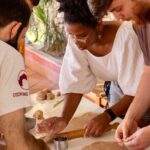
Hands in the flour, Sicily style
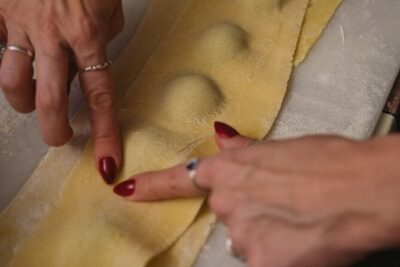
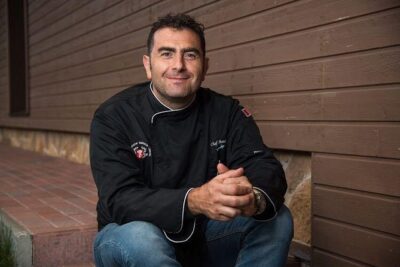
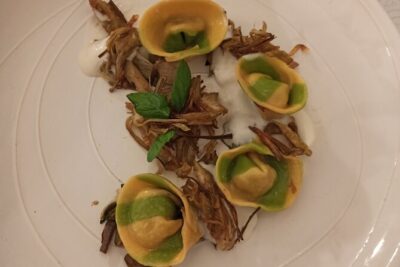
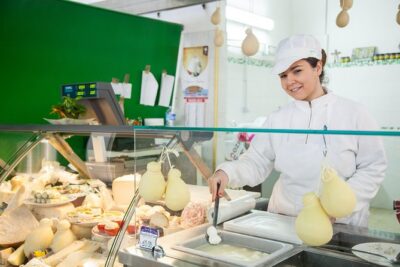
Main: fresh or dried pasta, plus Sicilian classics
Your main is flexible. You’ll make Sicilian pasta—either fresh or dried—and you might also cover Sicilian favorites like arancine or a breaded version of a dish. The important point: the main course can be meat or fish as you wish.
From what Teresa teaches in her home setting, common dishes you may learn include:
- pasta shapes and sauces tied to local staples
- Sicilian eggplant preparations like caponata
- seafood-focused options, including stuffed or breaded styles
Even when the dish changes, the skill focus tends to be the same: how to build a sauce, how to handle the pasta part, and how to finish so it tastes like it’s meant to taste.
Dessert: Sicilian dessert or tiramisu
For dessert, you’ll do a Sicilian dessert or tiramisu. A key detail here is that tiramisu can be taught in a way that feels less like assembly and more like craft—especially when it’s portioned individually and the textures matter.
If you’re a “sweet but not too sweet” person, this usually lands well because it mirrors what Sicilians do at home: dessert that feels comforting, not heavy.
How the lesson works: hands-on cooking with explanations in English
This isn’t a passive food show. All guests actively participate. You’ll be doing the work—mixing, shaping, rolling, and helping with assembly—while Teresa explains techniques and small decisions that change the outcome.
You’ll often start with prep that builds toward the finished plates:
- dough work (mixing and shaping, depending on the recipe)
- making pasta (rolling and cutting where applicable)
- sauce and filling prep, so your main dish comes together as one system
- plating and timing so everything lands warm and ready together
Teresa’s teaching style is practical. She doesn’t just tell you what to do—she talks about why. That’s the difference between leaving with a recipe you can follow and leaving with a method you actually understand.
Another thing that makes this class feel worth it: the tips and variations. If you have preferences—like swapping ingredients within what’s seasonally available—Teresa can guide you toward a result that still feels Sicilian.
What you eat at the table: wine and after-dinner treats
After you cook, you relax and enjoy what you made. The meal format is simple: you sit down and eat the starter, main, and dessert you created.
Drinks are part of the experience. Many classes like this in Teresa’s home include a pairing of white wine with the meal, and the evening can also include coffee and after-dinner drinks such as limoncello (often served chilled). In some sessions, a brandy-style after-dinner drink is also part of the ritual.
Two things to keep expectations steady:
- The exact drinks can vary by timing and what’s available, but wine and an after-dinner Sicilian favorite are a common thread.
- You’ll be eating the work of your own hands, not just tasting a bite or two. That makes it feel more like a full experience than a quick cooking stop.
Price and value in Syracuse (and why it’s not just the headline cost)
The base price is $131.06 per person, and the class runs about 2 hours 30 minutes (approx.). On top of that, the Point of Sale ingredient walk costs €50 per person paid locally.
So is it good value? For me, the “yes” comes from what you get beyond cooking:
- You buy ingredients in Ortigia with context, not just ingredients handed over.
- You cook three dishes rather than one pasta-focused lesson.
- You’re in a small group where Teresa can actually help you through mistakes.
- The meal isn’t theoretical—there’s a sit-down component and often wine.
If you’re comparing this to big-group cooking schools, the small size and hands-on style usually wins on value. The added €50 is the real variable, but it’s tied to ingredient shopping time, not random extras.
If you’re on a tight schedule, it’s also a smart choice. You get a market moment plus a full cooking-and-eating experience in one compact block.
Who this class suits best (and who should think twice)
This is ideal for couples, friends, and families. It works especially well if you want a morning activity that connects food to place—Ortigia isn’t a name on a map here, it’s part of the lesson.
You’ll likely enjoy it most if:
- you like cooking that’s hands-on, not observational
- you want Sicilian home recipes rather than generic Italian pasta
- you’re happy to learn techniques you can recreate later
You might think twice if:
- you want a long, slow tour with lots of free time to roam (this is a focused 2.5-hour experience)
- you prefer strictly restaurant-style dining without cooking involvement (here, you’ll work in the kitchen)
Also, it’s offered in English, which is a big plus if you don’t speak Italian.
Getting there: meeting point and practical notes that matter
You’ll meet at Corso Gelone, 36, 96100 Siracusa SR, Italy. The activity ends back at the meeting point.
The class uses a mobile ticket, so have it ready on your phone. You should also be aware that there are steps past the door leading toward an elevator. That detail matters if anyone in your group has mobility concerns.
Finally, confirmation happens at booking, so you’re not left guessing whether the session is set.
Should you book Syracuse cooking with Teresa?
If your Sicily trip includes Ortigia and you want to go beyond tasting, book this. It’s one of the more direct ways to learn Sicilian cooking: you choose ingredients locally, then you cook and eat at home with Teresa’s guidance, in a small group.
I’d especially recommend it if:
- you’re curious about how classic dishes are built (not just what they are)
- you want a family-recipe experience with participation
- you can handle the extra €50 per person for ingredient shopping
If you want a quick souvenir meal with zero kitchen time, this probably won’t fit. But if you’re the type who wants to understand what makes Sicilian food taste Sicilian, Teresa’s class is a strong choice.
FAQ
What language is the cooking experience offered in?
It’s offered in English.
How long is the experience?
The duration is approximately 2 hours 30 minutes.
Where do we meet, and does it end nearby?
You meet at Corso Gelone, 36, 96100 Siracusa SR, Italy, and the experience ends back at the meeting point.
How many people are in the group?
The experience has a maximum of 4 travelers.
What do we cook and eat?
You’ll prepare three traditional homemade recipes: a vegetable seasonal starter, a pasta-based main (which can be meat or fish as you wish), and a Sicilian dessert or tiramisu.
Is there an extra fee besides the listed price?
Yes. The Point of Sale ingredient walk lasts one hour, and there’s an extra €50 per person to be paid locally.
Do I have to cook, or can I watch?
You’ll actively participate in the preparations, not just observe.
Are there any building access notes?
There are steps past the door leading to the elevator, so it’s worth planning for that if mobility is a concern.
More Tour Reviews in Sicily




More Cooking Classes to Book
More of Syracuse and Ortigia

Just added: the newest Sicily tours in our notebook
- Etna / Taormina★ 5.0 · 3 reviews
- Bikes★ 5.0 · 3 reviews
- Taormina shore tour – for small group cruise passengers★ 5.0 · 3 reviews
- Vegan Cooking Class in Catania with Lunch and Dinner★ 5.0 · 3 reviews
- Make & Taste Sicilian Desserts in Palermo – Learn Cannoli & More★ 5.0 · 3 reviews
- Sicilian Villages & Ricotta Tasting – including Lunch from Cefalu★ 4.0 · 3 reviews
Syracuse & Ortigia, compared.
 ★ 4.7Syracuse: Tour of Ortigia Island & Caves with Local SkipperFrom $231,060 reviews
 ★ 4.7Syracuse: Boat Tour with Captain Mirko, Snorkeling & CavesFrom $35746 reviews
 ★ 4.7Siracusa: Ortigia Boat Tour with Marine Grotto & SnorkelingFrom $47726 reviews
 ★ 4.8Siracusa: Ortigia & Sea Caves Boat Tour w/ Prosecco & FruitFrom $35723 reviews
 ★ 5.0Tour of the island of Ortigia and exploration of sea caves with baths.From $24668 reviews
 ★ 4.7Syracuse: Ortigia Island & Sea Cave Boat Tour with ProseccoFrom $23418 reviews
 ★ 5.0Boat tour of Ortigia Island and sea cavesFrom $24407 reviews
 ★ 4.6Catania: Syracuse, Ortigia, and Noto Tour with BrunchFrom $112404 reviews
Browse the lists this tour appears in