
Reviewed · SICILIAN STREET FOOD TOURS
sicilian wine and food tasting
Three pours, all local.
At the Winehouse Trapani in Trapani port, you get a focused tasting that walks you through Sicily’s grapes and the foods that make them make sense. I love the emphasis on indigenous Sicilian wines, and I really like that your sommelier pairs each glass with a specific local bite and explains what you’re tasting. One drawback to keep in mind: it’s only three pairings, so if you’re craving a huge spread of regional foods, this may feel a little tight.
You’ll spend about 1.5 hours tasting three glasses paired with local products, led by an English-speaking guide. It’s a nice length if you’re using Trapani as a ferry hub, and the location is practical: Via Ammiraglio Staiti, 47, right by the hydrofoil embarkation area. The experience is for adults only (18+), and you should be ready to pay for anything extra beyond the included tastings.
In This Review
- Key things to know before you taste in Trapani
- Getting oriented at the Winehouse Trapani (Via Ammiraglio Staiti)
- Act One: Dry vinified Zibibbo with mint-rosemary notes and local cheeses
- Act Two: Cataratto paired with tuna heart bruschetta
- Act Three: Grillo with tuna bresaola or Trapanese pesto
- Price and value: $34 for 3 glasses and paired local bites
- Who this experience fits best (and who might skip it)
- How to get the most out of your 1.5-hour tasting
- A few caveats worth knowing before you go
- Should you book Sicilian wine and food tasting in Trapani?
- FAQ
- How long is the Sicilian wine and food tasting?
- What’s included in the price?
- Where do I meet for the tasting?
- What wines and foods are served?
- What languages is the tour guide?
- Who is this tasting for?
- Is cancellation free?
Key things to know before you taste in Trapani
- Three indigenous grapes, three bites: Zibibbo, Cataratto, and Grillo are matched to cheeses and tuna.
- Mint-and-rosemary Zibibbo: the first glass is dry and herb-tinged, not sweet dessert wine.
- Tuna used in two acts: you’ll taste tuna in two different preparations.
- Your guide explains the pairings: the sommelier ties flavors together so you know what to look for.
- You’re at the port, not tucked in the countryside: easy to work into a day of ferries and walking.
Still weighing it up? These Trapani tours pull the biggest crowds for a reason.
- From Trapani: Cruise to Favignana and Levanzo with lunch
★ 4.2 · 2,286 reviews - Boat Tour Egadi Day discover Favignana and Levanzo from Trapani
★ 5.0 · 1,183 reviews - From Trapani: Favignana and Levanzo Mini Cruise with Lunch
★ 4.2 · 814 reviews - Favignana and Levanzo, Egadi islands tour by boat from Trapani
★ 5.0 · 720 reviews
Getting oriented at the Winehouse Trapani (Via Ammiraglio Staiti)
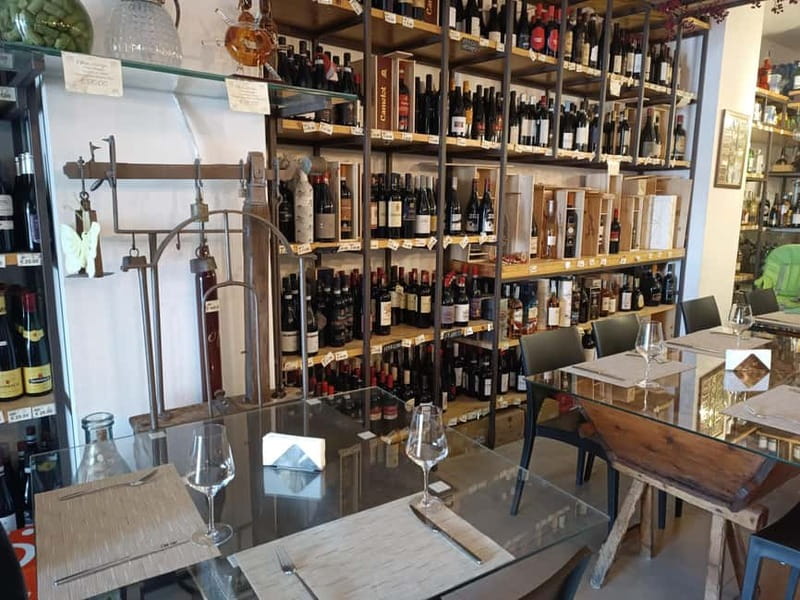
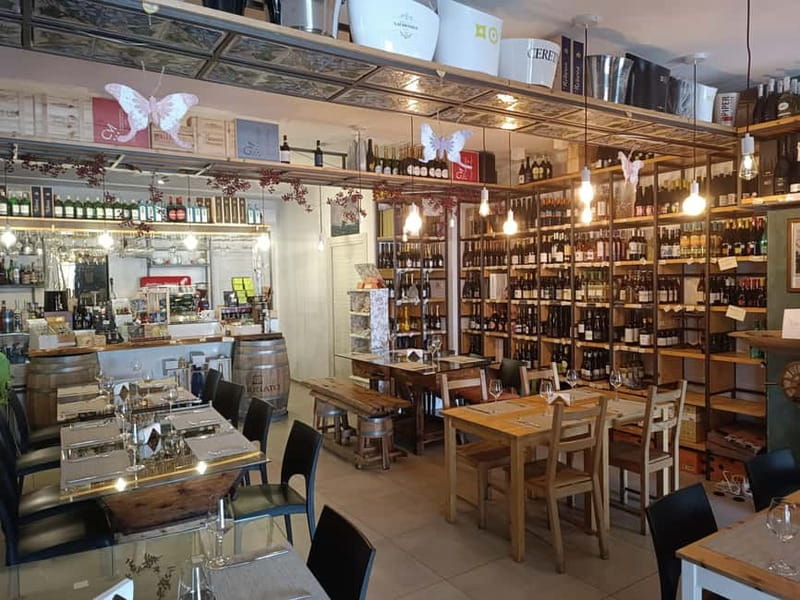
I like starting a food-and-wine tour in a place that’s easy to find, and this one is. Meet at the Winehouse Trapani at Via Ammiraglio Staiti, 47, near the port area of Trapani, just across from the hydrofoil embarkation zone. That matters because you’re not burning time hunting for a hidden address when you’ve got a travel schedule.
Expect a straightforward setup: you taste and you eat the included pairings, guided in English. Based on what people highlighted afterward, the host tends to be friendly and accommodating, and the tasting feels designed to be approachable even if wine isn’t your everyday hobby.
If you’re the type who likes to sit down and order a meal slowly, you might compare the experience to doing that on your own. Just remember: this is built for tasting, not a full restaurant dinner. The good news is that the pairings are intentional.
Act One: Dry vinified Zibibbo with mint-rosemary notes and local cheeses
The tasting begins with dry vinified Zibibbo, a grape that’s strongly associated with Sicily—so you get a sense of place from the first pour. You’ll notice hints of mint and rosemary, which is a clue that this isn’t meant to feel neutral. It’s supposed to taste like Sicily’s herbs and coastal freshness.
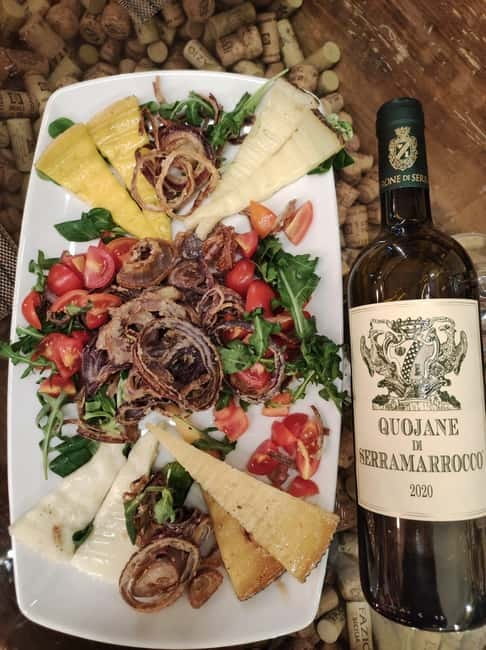
Your first pairing is local cheese in two styles: fresh and semi-mature. That combo is smart because it gives you a range right away—fresh cheese tends to feel lighter and more delicate, while semi-mature brings more depth and a stronger flavor profile. Put together with an aromatic, herb-leaning wine, you start learning how “herbal” flavors can work across both wine and food.
Here’s a practical way to enjoy this first act: don’t focus only on whether the wine tastes good on its own. Instead, try to identify what changes when you take a bite of cheese. If the wine feels more fragrant after food, that’s the pairing doing its job.
And yes—one of the most praised parts of the experience is that the included items taste genuinely local, not like filler you could find anywhere.
Act Two: Cataratto paired with tuna heart bruschetta
Next comes Cataratto, described as semi-aromatic. If you’re used to big, bold red wines, Cataratto may feel subtler, but it’s a useful bridge: it helps your palate reset before the final glass.
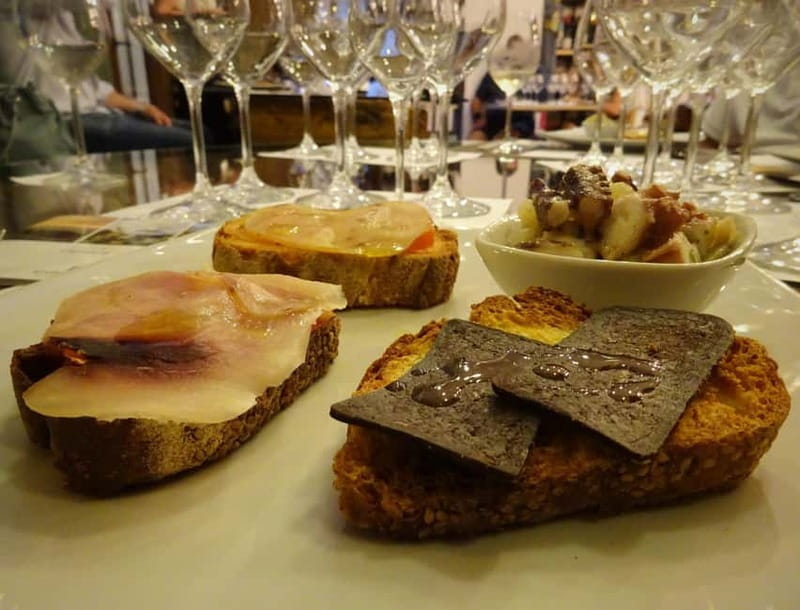
For food, you’ll get tuna heart bruschetta. The phrase tuna heart matters because it signals a specific cut—something tender and prized, rather than a generic seafood bite. Bruschetta also brings a crunchy element and a touch of toasted bread character, which can make the flavors of both wine and tuna feel more defined.
This second act is where the tasting becomes more “Sicily food” and less “cheese and sip.” Tuna is common along the coast, and using it here shows how island produce and sea flavors fit naturally with white-wine grapes.
One thing to be aware of: if you’re not a big fan of tuna, this tour centers on it more than once. You can still enjoy the wine side, but your overall satisfaction will depend on how you feel about seafood pairings.
Act Three: Grillo with tuna bresaola or Trapanese pesto
The grand finale is Grillo, labeled as an ancient Sicilian grape variety. In practice, that means you’re tasting something tied to long-standing local tradition rather than a trendy, global style.
You’ll finish with a tuna pairing—either tuna bresaola or Trapanese pesto (the exact included option can vary in how it’s served). Tuna bresaola brings a more cured, concentrated flavor, while pesto (in this Trapanese context) adds herbs, acidity, and sometimes a punch of garlic-and-spice character depending on the recipe. Either way, the goal is the same: end with a strong Sicilian flavor that lets your last glass feel connected to real food, not just a snack.
If you like finishing a tasting with contrast, Grillo is a good choice. It’s a grape that tends to keep enough freshness so the cured or herb-forward bites don’t overwhelm the wine.
Also, one of the better points from people who rated this highly is that the three glasses actually hold up. The included wines aren’t just pale background noise; they’re described as delicious and local across the tasting.
More cellars and vines near Trapani



Price and value: $34 for 3 glasses and paired local bites
At $34 per person for about 1.5 hours, you’re paying for two things: wine you wouldn’t necessarily pick up casually, and food pairings you might not know how to match on your own.
The tasting includes three glasses of wine paired with local products. That’s the core value. If the wines were separate, you’d pay more, and if the food came without pairing guidance, it’d be easy to miss what the sommelier is trying to show you.
What also helps the value: you’re not choosing between “wine-only” or “food-only.” You get both, and the structure is built so each act changes your palate:
- Zibibbo starts aromatic and herb-leaning
- Cataratto keeps it lighter and sets you up for seafood
- Grillo finishes with a classic Sicilian vibe
A realistic note: extra glasses and extra food aren’t included. So if you go in hungry and start craving add-ons, budget a little extra. One negative review called out the feeling that if you wanted to simply order the same items yourself, the experience might not justify the price. That’s a fair thought. The counterpoint is that this tour offers pairing context—if you want to learn what you’re tasting, that’s where the $34 pays off.
Who this experience fits best (and who might skip it)
This tasting is a great fit for you if you want an easy, structured introduction to Sicilian wine without spending half a day doing homework. You also get a practical benefit if you’re in Trapani for a ferry: it’s close to the hydrofoil area, so you’re not fighting logistics.
I’d especially recommend it if you enjoy:
- white wine and aromatic styles
- learning how regional foods match regional grapes
- quick, high-quality tastings rather than long dinners
It may not be your best choice if:
- you expect a large selection of regional foods beyond the included pairings
- you’re looking for a heavy deep-dive lecture on every bottle and vineyard detail
- you dislike tuna (since it shows up in the main acts)
One review noted that they didn’t feel they learned much about the wine and felt the food could be ordered separately. Another said there weren’t quite enough regional products for their taste. So if your priority is lots of teaching or lots of food, set expectations: this is a short, paired tasting with a guided explanation.
How to get the most out of your 1.5-hour tasting
If you want this to feel worth it, do one simple thing: pay attention to what changes between wine sips and bites. Your sommelier is there for a reason, and it helps if you listen for the specific pairing logic.
Here are a few practical habits that make tastings click:
- Taste the wine first, then immediately after the bite. Note what you gain.
- Don’t worry if you can’t name flavors yet. You’re building a palate, not writing a report.
- Ask a follow-up question if something stands out. Your guide is the link between the wine and the food.
Also, bring what the activity asks for: credit card and cash. If you end up wanting an extra glass or additional bites, you’ll be ready.
And one more small tip: plan your day so you’re not rushing. Even though it’s short, you’ll enjoy it more when you’re not thinking about your next connection every two minutes.
A few caveats worth knowing before you go
This is an adult-only tasting (not suitable for children under 18). The good news is that it’s wheelchair accessible, so mobility shouldn’t be a problem.
There’s also a comfort rule: climbing isn’t allowed. It’s not the kind of thing you’ll be doing during a tasting anyway, but it’s good to know if you’re traveling with anyone who might try to wander around.
Finally, set expectations about the “learning” portion. The majority of feedback praised the host and the pairing explanations, but at least one person felt they could have ordered the items themselves and didn’t gain much. If you’re the type who needs lots of detail to feel satisfied, bring your curiosity and ask questions.
Should you book Sicilian wine and food tasting in Trapani?
I’d book this if you want a fast, tasty, and very practical way to experience Sicilian flavors tied together—three bottles, three food pairings, and a guide explaining why it works. The inclusion of Zibibbo, Cataratto, and Grillo makes it more than generic wine sipping, and the tuna-and-cheese structure gives you real local texture and taste.
Skip it if you’re expecting a huge food spread, a long seminar, or you’re not keen on tuna-based bites. For most people passing through Trapani, though, it’s a solid use of time—especially because you’re in the port area and the experience is only about 1.5 hours.
FAQ
How long is the Sicilian wine and food tasting?
The tasting lasts 1.5 hours.
What’s included in the price?
You get 3 glasses of wine paired with local products.
Where do I meet for the tasting?
Meet at the Winehouse, Via Ammiraglio Staiti, 47, in Trapani port.
What wines and foods are served?
The tasting includes dry vinified zibibbo with fresh and semi-mature cheeses, cataratto with tuna heart bruschetta, and grillo with tuna bresaola or Trapanese pesto.
What languages is the tour guide?
The tour is offered with a live English guide.
Who is this tasting for?
It’s not suitable for children under 18.
Is cancellation free?
You can cancel up to 24 hours in advance for a full refund.
More Tour Reviews in Trapani






More Sicilian Wine and Vineyards



Just added: the newest Trapani tours in our notebook
- Afternoon Saline Tour★ 5.0 · 3 reviews
- Trapani: Paragliding flight with GoPro photos and videos★ 5.0 · 4 reviews
- Trapani: Guided Walking Tour with Cannolo★ 5.0 · 4 reviews
- 9 Hours Tour to Segesta, Trapani and Erice from Palermo★ 5.0 · 4 reviews
- Sicily: Selinunte Park Entry Ticket & Sicily Digital Audio Guide★ 4.5 · 4 reviews
- From Trapani: Favignana and Levanzo Yacht Tour with Stops★ 5.0 · 4 reviews
Sicilian Street Food Tours, compared.
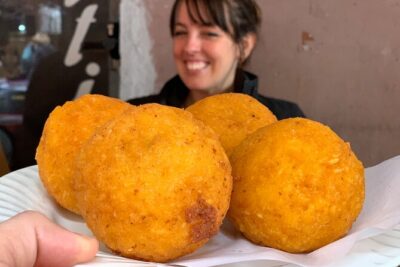 ★ 5.0Palermo Original Street Food Walking Tour by StreatyFrom $832,105 reviews
 ★ 4.9Palermo: Street Food and History Walking TourFrom $571,486 reviews
 ★ 5.0Palermo Sicilian Street Food Tour: Small Group by Do Eat BetterFrom $53920 reviews
 ★ 4.9Palermo: Street Food Walking Tour with Local Guide & TastingFrom $52632 reviews
 ★ 5.0Palermo Walking Tour and Street FoodFrom $48617 reviews
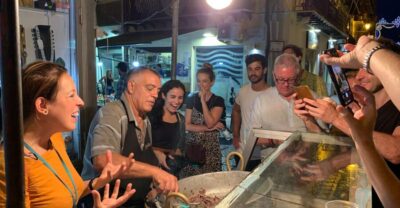 ★ 4.8Palermo: Small Group Night Street Food TourFrom $81589 reviews
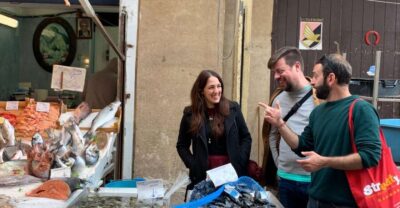 ★ 4.9Palermo: Street Food and Local Market Tasting TourFrom $81540 reviews
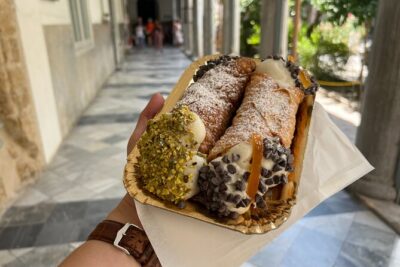 ★ 5.0Palermo Food Tour: 10+ Tastings of Arancini, Cannoli, Wine & MoreFrom $91521 reviews
Browse the lists this tour appears in