
Reviewed · TAORMINA TOURS
Sicilian Cooking Class in Taormina
Fresh pasta in Taormina beats just watching from the sidelines. In this class, you’ll learn traditional homemade pasta techniques and build flavors around caponata using vegetables picked up at the market. It’s a hands-on, sit-and-taste experience that works even if you’ve never cooked before.
I especially like the way the lesson turns into a real meal: you cook, then you sit down to eat everything you made with Sicilian wines and liquors. One consideration: the menu can lean toward fish and seafood, so if you dislike sardines or other fish dishes, you may want to choose your expectations carefully.
In This Review
- What Makes This Taormina Cooking Class Different
- Where You Start: Porta Messina and a Kitchen That’s Ready for You
- The Market Stop: How the Class Chooses What’s for Dinner
- Fresh Pasta the Traditional Way: What You Learn in Practice
- Caponata and Sicilian Classics: Beyond the Usual Dinner Recipes
- The Tasting at the End: Turning Cooking Work into a Real Sicilian Meal
- Recipes, Certificate, and Your Chances to Recreate It
- Price and Value: Why $126.72 Often Works Here
- Who Should Book This Class (and Who Might Not Love It)
- Should You Book the Sicilian Cooking Class in Taormina?
- FAQ
- What is the duration of the Taormina Sicilian cooking class?
- When does the class start?
- How much does it cost?
- Is the class offered in English?
- Where is the meeting point?
- What’s included in the price?
- Is free cancellation available?
What Makes This Taormina Cooking Class Different
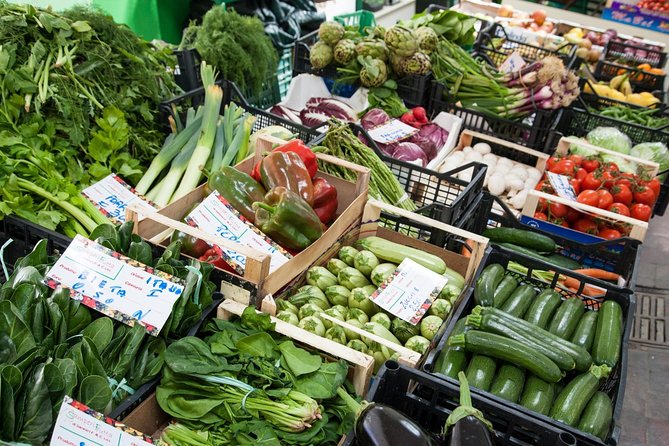
- Market-to-kitchen ingredients: You shop for vegetables (and in practice, you get real context for what you’re buying) before you start cooking.
- Traditional pasta skills, not shortcuts: The focus is on making pasta from scratch, then turning it into a full lunch.
- Caponata with seasonal produce: You learn caponata as a Sicilian staple, built from ingredients you selected.
- A meal with drinks included: Lunch comes with mineral water, coffee, and Sicilian wine and liquors at the tasting.
- Recipes and a participation certificate: You leave with English recipes plus a certificate from the chef for later practice.
Still wandering Taormina? Keep going
- Boat tour Giardini Naxos Taormina Isola Bella Blue Grotto
★ 4.5 · 541 reviews - Snorkeling Tour Coast to Coast Taormina and Isola Bella
★ 4.5 · 223 reviews - Boat excursion Taormina Giardini Naxos
★ 4.5 · 199 reviews - Sicilian Cooking Class in Taormina
★ 5.0 · 186 reviews
Where You Start: Porta Messina and a Kitchen That’s Ready for You
This experience meets at Ristorante Pizzeria Porta Messina, Largo Giove Serapide, 4, 98038 Taormina. You’ll have a choice of an appointment at 10:00 am or 18:30, and the class runs about 4 hours. The group stays small, with a stated maximum of 20 travelers, which matters because you’re not just standing there while someone else cooks.
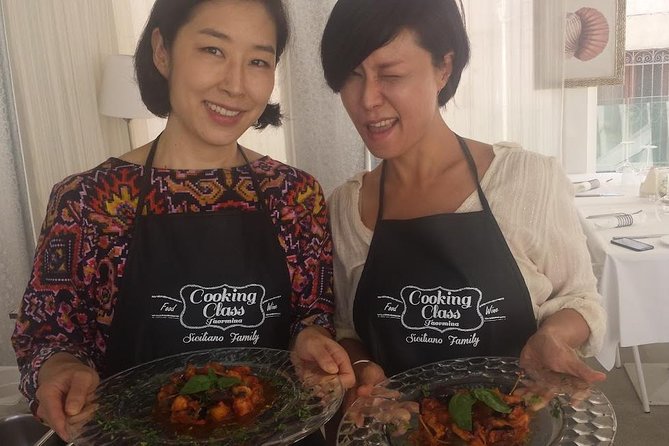
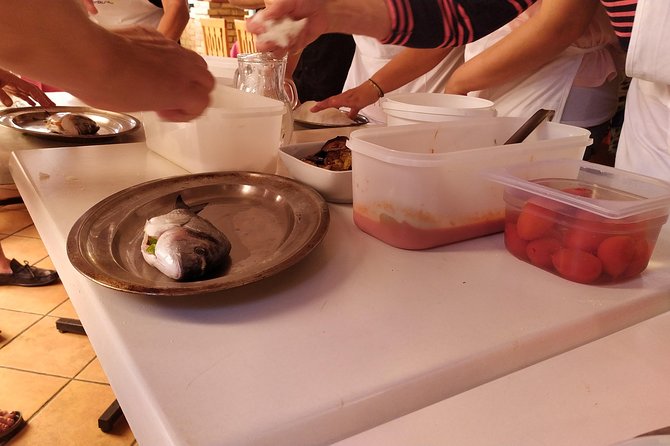
When you arrive, the setup is already handled. There’s a table prepared for you with the tools out, and you’ll be given an apron so you can jump right in. That little bit of organization makes the class feel smooth, even if everyone in your group has different comfort levels in the kitchen.
The location is also practical for planning your day. It’s near public transportation, so you’re not stuck figuring out private transport just to reach the start point. And since the tour ends back at the same meeting spot, you don’t need to build extra logistics into the rest of your Taormina itinerary.
The Market Stop: How the Class Chooses What’s for Dinner
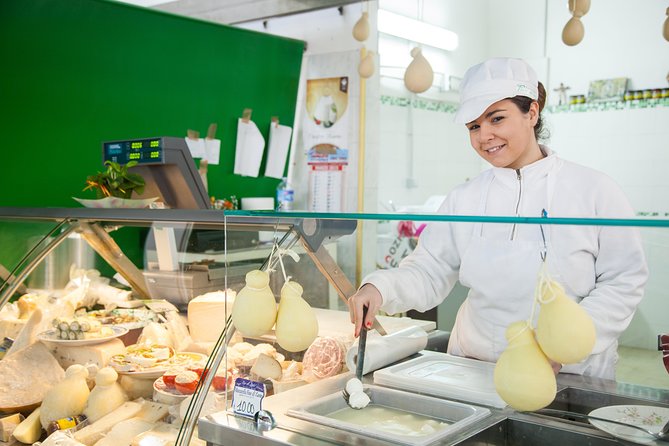
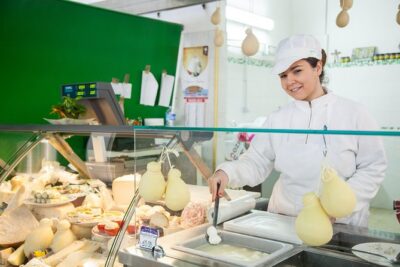
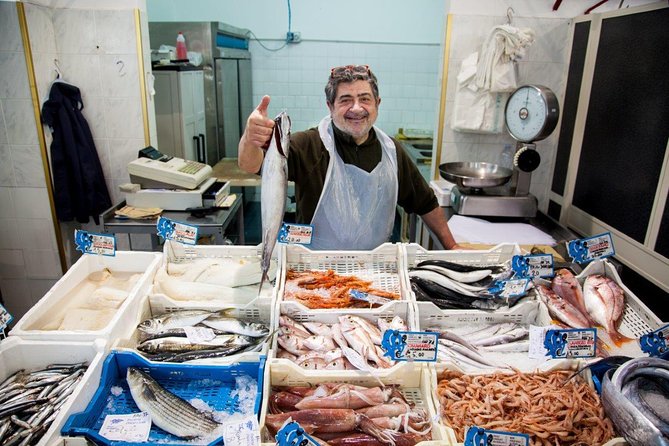
A big part of why this feels like Sicilian cooking is that the ingredients come from the local rhythm of the market. The format includes time at a produce market (and in some runs, a fish market component shows up as part of the shopping flow), then you return to cook what you bought. If you love the story behind food, this is where you’ll get it.
The menu isn’t fixed. Starters, mains, the second course (meat or fish), and dessert change every month and are described as seasonal and made with fresh product. That’s good news if you’re traveling more than once or if you don’t want the same tourist-proof menu every time.
Here’s the trade-off. One person’s market stop is another person’s detour. If you’re hoping for maximum time at the cutting board with minimum walking, go in knowing the market portion is part of the lesson structure. Also, some diners found the program fish-heavy, so if you’re not a fan of sardines or you dislike seafood generally, it’s smart to align your expectations before you book.
Fresh Pasta the Traditional Way: What You Learn in Practice
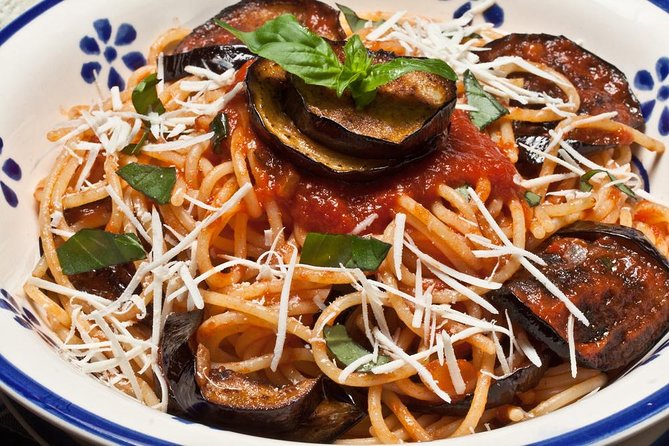
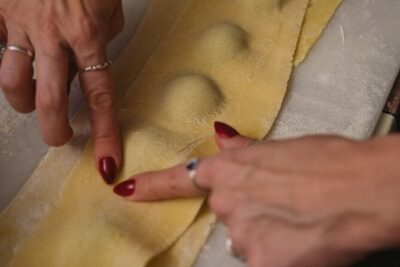
The pasta part is the core skill you take home. After you get settled, the class starts with homemade pasta using a very traditional method. Translation: you’re not just assembling something. You’re learning the process closely enough that you can repeat it later, especially with the English recipes provided.
In a good class, the teacher’s job is to make the steps feel doable. The style here is hands-on instruction, with support from the chef and kitchen team as you work. Many participants highlight that the explanations are clear and that the experience stays inclusive, even when you’re not an experienced cook.
You’ll also get a sense of how Sicilian home cooking thinks in components: texture and timing matter, but so do the ingredients and what’s in season. That’s why pasta feels like more than a single recipe in this class. It becomes the base for the rest of the meal you’ll build in the same session.
One note for your expectations: a few people wanted a bit more focus on pasta sauce or more guided time with the chef. If your top priority is learning a specific pasta sauce technique in depth, you might need to be proactive—ask questions while you’re working, and use the recipes when you get home.
Caponata and Sicilian Classics: Beyond the Usual Dinner Recipes
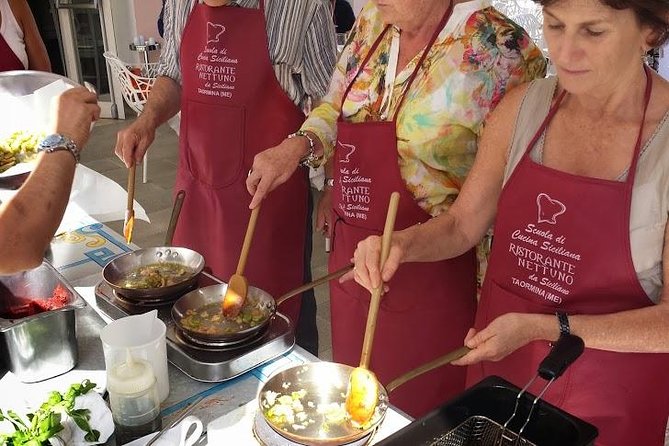
After pasta, you move into home-made caponata. This is one of the most classic Sicilian flavors: a sweet-sour vegetable preparation that’s built from ingredients bought at the market. In practice, caponata is where you see Sicilian cooking’s balancing act—richness from vegetables and depth from seasoning, not heavy sauces.
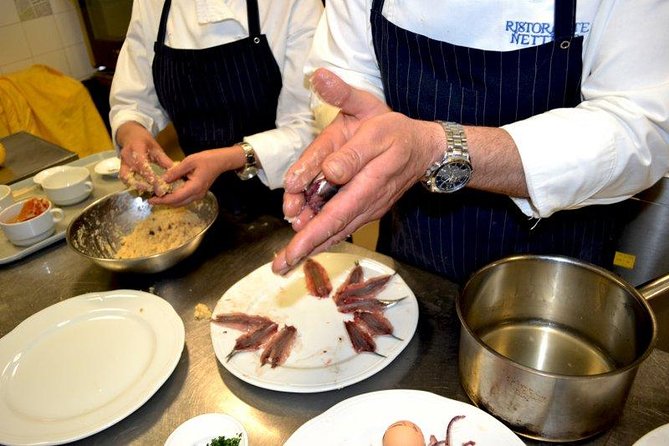
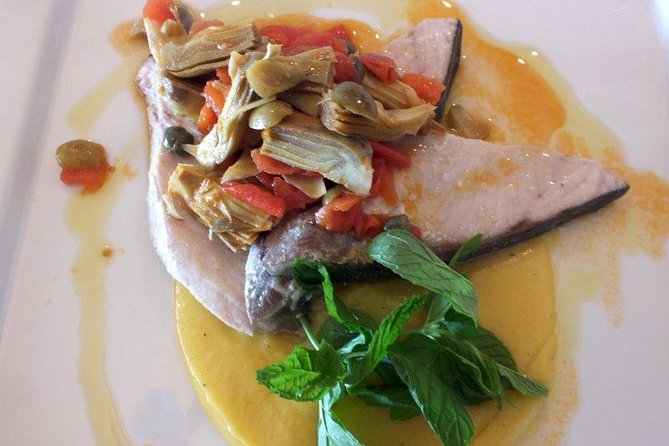
The class also includes other Sicilian dishes during the lesson. Depending on the month and what’s available, you may work on items such as fresh sardines and zucchini flowers, plus additional starters and courses described as seasonal. Other diners in the experience highlight dishes like eggplant parmigiana and fish preparations such as sea bass and swordfish rolls, which gives you a feel for where the menu often lands.
This is also where the class can feel most fun, because you’re not cooking just one thing. You’re building an array—starter(s), pasta, then a second course (meat or fish), plus dessert. Even if you’re a cautious cook, having multiple simpler tasks can keep the energy high and prevent the session from turning into one long, complicated project.
If you’re vegetarian, the data isn’t universal, but one participant reports that a vegetarian in their group was accommodated without feeling like they were missing out. The safest approach is to message your dietary needs at booking time so the team can steer you toward the right menu fit.
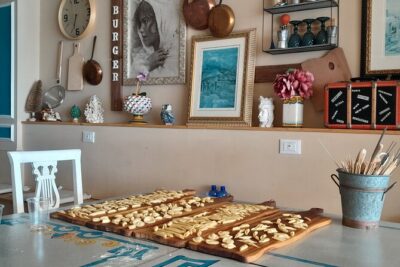
Hands in the flour, Sicily style
The Tasting at the End: Turning Cooking Work into a Real Sicilian Meal
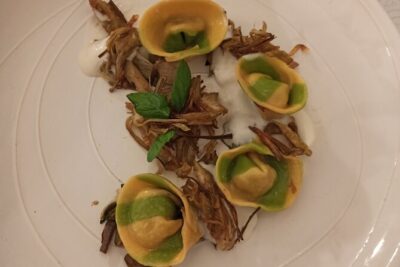
Here’s what I think makes this experience feel like value, not just a cooking demo: the lesson ends with a full sit-down tasting of what you made. You’ll gather at the table, and the meal includes Sicilian wines and liquors, plus mineral water and coffee.
The format matters. Because you cooked the dishes yourself, you can actually connect the flavors to technique. When you taste caponata, you know what you did at the market. When you try the pasta outcome, you remember the feel of the dough and the steps you followed.
Also, this tasting section is where the social side clicks. People mention laughs, sharing stories, and the sense of eating together like you’re in a friendly kitchen. With up to 20 people, the class is usually large enough to feel lively but small enough that you don’t get lost in the crowd.
One caution for hot-weather visits: in summer conditions (someone specifically flagged July), the kitchen can get warm. If you’re easily uncomfortable in heat, consider bringing water, dressing in breathable clothes, and planning your timing carefully with the rest of your day.
Recipes, Certificate, and Your Chances to Recreate It
You don’t just get food and memories—you leave with printed recipes in English and a certificate of participation from the chef. That might sound like a small detail, but it’s one of the best parts for turning the class into something you’ll actually use.
If you’re a “weekend cook” type, the recipes help you repeat the key steps without trying to remember what happened at minute 12. And because the class changes menu items monthly, having documentation for the specific dishes you cooked helps you avoid the common post-trip problem: you can’t quite reproduce the results you loved.
As for the cooking style, the class is designed for people with no experience necessary. That doesn’t mean it’s effortless. You’ll still work with your hands and follow steps. But it does mean the team aims to get you producing real food rather than just watching.
Price and Value: Why $126.72 Often Works Here
At $126.72 per person for about 4 hours, this can be a strong value—mainly because the price isn’t only paying for instruction. It includes the class, ingredients and utensils, a lunch, and the tasting experience with wines and liquors, plus mineral water and coffee.
In other words, you’re not just learning; you’re also eating a complete meal that you helped create. If you’ve ever paid for a food tour where you get small samples and a short explanation, this is different. Here, your hands are in the process, and the payoff is substantial.
Is it expensive compared to cooking at home? Sure. But it’s cheaper than paying for a chef-built meal plus wine plus ingredients plus market context. It’s a “you pay once, then you get skills and recipes back” kind of experience.
Who Should Book This Class (and Who Might Not Love It)
This fits best if you want:
- Hands-on cooking with clear step-by-step guidance
- A full Sicilian meal that ends in a tasting with wine and coffee
- A chance to learn dishes that are seasonal and tied to local ingredients
It may not be the perfect match if:
- You strongly dislike fish or know you don’t want sardines or seafood at all
- You prefer a class with a deeper single-recipe focus (some people wished the chef stayed more involved with each person’s participation)
- You’re sensitive to heat, especially in summer months
Families should note that children must be accompanied by an adult. And since everything is offered in English, it’s a good option for English-speaking visitors who want real guidance without language friction.
Should You Book the Sicilian Cooking Class in Taormina?
If you’re the kind of traveler who likes to go home with a skill, not just photos, I’d book this. The combination of fresh pasta, caponata, seasonal Sicilian dishes, and a proper lunch with wine and liquors is a satisfying mix of learning and eating. The small group size and prepared kitchen setup also make it feel well run.
Just be honest with yourself about one thing: the menu can lean fish-forward. If that’s a deal-breaker, you might want to ask about your preferences before you confirm. If not, come hungry, wear something comfortable for cooking, and plan to enjoy the long end-of-class meal like it’s part of the lesson.
FAQ
What is the duration of the Taormina Sicilian cooking class?
It lasts about 4 hours.
When does the class start?
There are two appointment times: 10:00 am and 18:30.
How much does it cost?
The price is $126.72 per person.
Is the class offered in English?
Yes, it is offered in English, and you also receive recipes in English.
Where is the meeting point?
The meeting point is Ristorante Pizzeria Porta Messina, Largo Giove Serapide, 4, 98038 Taormina ME, Italy.
What’s included in the price?
The class includes the cooking lesson, ingredients and utensils, printed recipes and a certificate, and lunch. Mineral water and coffee are included at the tasting, along with Sicilian wine and liquors.
Is free cancellation available?
Yes. You can cancel for a full refund up to 24 hours in advance of the experience’s start time. Cancellation requests made less than 24 hours before the start time are not refundable.
More Tour Reviews in Sicily






More Cooking Classes to Book


Taormina, a Few More Ways In




Just added: the newest Sicily tours in our notebook
- Etna / Taormina★ 5.0 · 3 reviews
- Bikes★ 5.0 · 3 reviews
- Taormina shore tour – for small group cruise passengers★ 5.0 · 3 reviews
- Vegan Cooking Class in Catania with Lunch and Dinner★ 5.0 · 3 reviews
- Make & Taste Sicilian Desserts in Palermo – Learn Cannoli & More★ 5.0 · 3 reviews
- Sicilian Villages & Ricotta Tasting – including Lunch from Cefalu★ 4.0 · 3 reviews
Taormina Tours, compared.
 ★ 4.5Taormina: Ancient Theater Skip-the-Line Ticket & Audio GuideFrom $282,412 reviews
 ★ 5.0Mt. Etna and Taormina village full day tour from CataniaFrom $1181,155 reviews
 ★ 5.0Seaview Cooking Class & Taormina local flavors with Chef MimmoFrom $157665 reviews
 ★ 4.7Taormina: Opera Performance in the Nazarena TheaterFrom $35651 reviews
 ★ 4.2Taormina: Boat Tour with Aperitif on Isola Bella647 reviews
 ★ 5.0Taormina and Castelmola Tour from MessinaFrom $114645 reviews
 ★ 4.8From Catania: Full-Day Mount Etna and Taormina Tour644 reviews
 ★ 5.0Mount Etna Half-Day Small Group Tour from TaorminaFrom $105628 reviews
Browse the lists this tour appears in