
Reviewed · TRAPANI & SALT PANS
Discover Trapani’s Saltpans with an E-Bike Tour
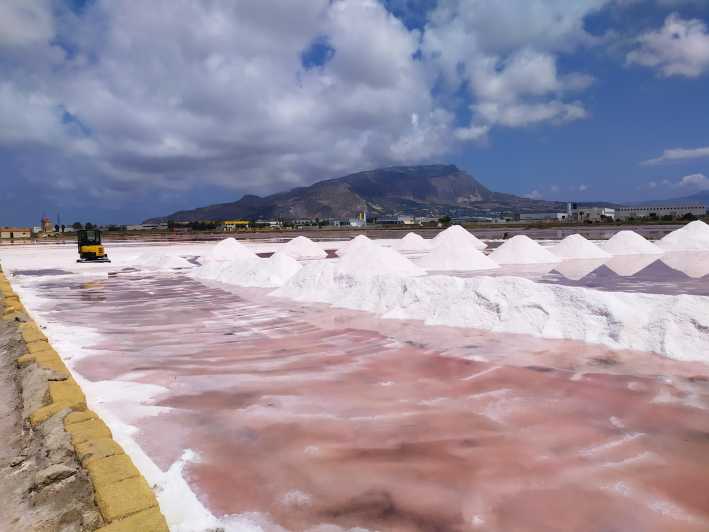
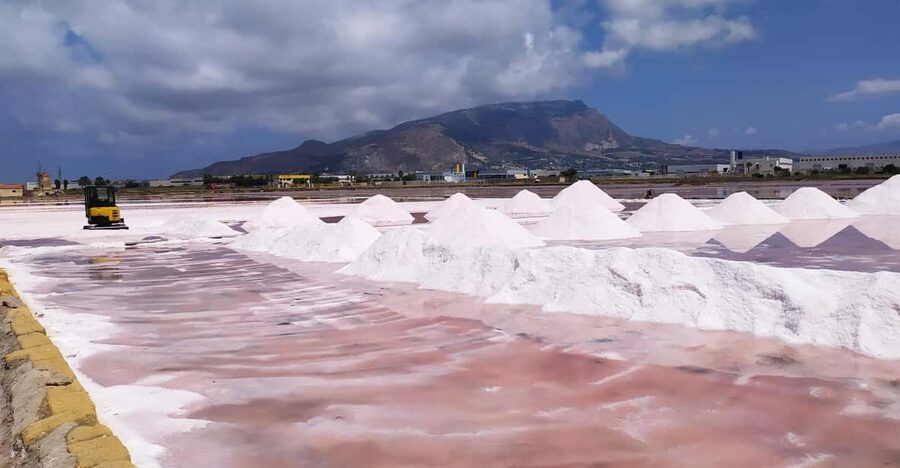
Salt ponds and flamingos on quiet wheels. This 3-hour e-bike outing turns Trapani’s salt country into a real story you can see, hear, and taste. I like the E-bike approach because it keeps things comfortable while you still move through the saltworks area, and I also like how guide Massimo Baudo explains what you’re looking at in clear English. One thing to consider: a portion of the ride is on regular roads, not only off-road paths.
The “why” is the fun part here. You start in the Natural Reserve of Saline, where protected birds can be part of the scenery, then you shift gears to Nubia’s Salt Museum to understand how salt has shaped this corner of Sicily for almost 3,000 years. If you’re chasing the classic golden-hour vibe, the timing is built for that too, with sunset-friendly views.
In This Review
- Key highlights worth your time
- Why Trapani’s salt pans feel like real Sicily, not a roadside stop
- Getting started at Trapaninside, and how to avoid the first-stress problem
- The Saline reserve ride: birds, windmills, and “look closer” moments
- Nubia Salt Museum: where the salt story gets specific
- The tasting at the finish: a small ending with big payoff
- Price and value: what $67.97 buys you in real terms
- Who should book this e-bike salt tour (and who should skip it)
- Should you book the Trapani salt pans by e-bike tour?
- FAQ
- How long is the e-bike salt pans tour?
- Where is the meeting point?
- Is the group small?
- What languages does the live guide speak?
- What’s included in the price?
- What is not included?
- Is there salt tasting?
- What do we do in the Saline reserve?
- How long do we spend at the Nubia Salt Museum?
- Is there free cancellation?
- Do I need to pay right away?
Key highlights worth your time
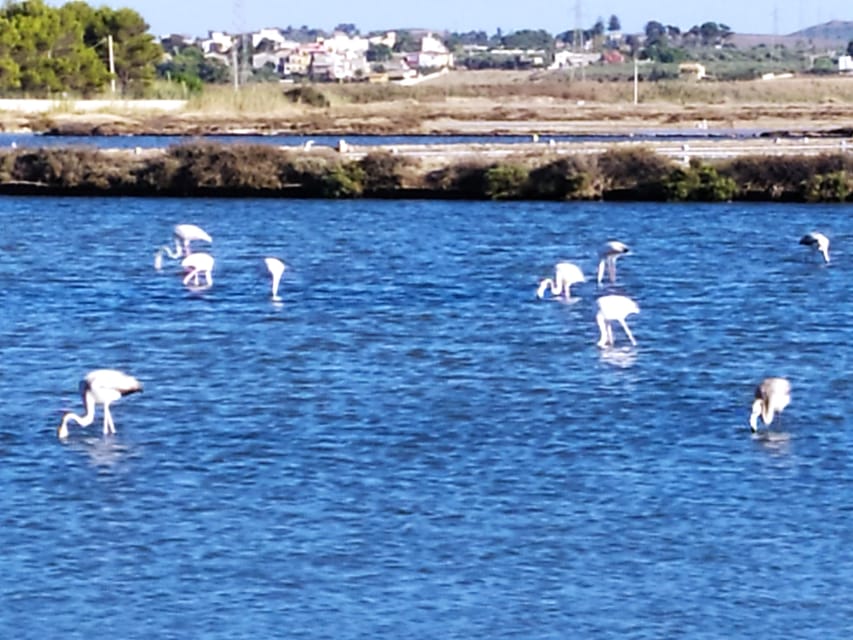
- Natural Reserve of Saline bird habitat: Watch for pink flamingos, herons, avocets, plovers, and more
- E-bike for an easier pace: You cover the area without turning the tour into a workout contest
- Nubia Salt Museum with salt-worker family context: The story is tied directly to the people who work the salt
- Windmills and open salt-pan views: The scenery connects the land to the industry
- Salt tasting at the finish: You end with the product, not just photos
Out to the Trapani salt flats
- From Trapani: Cruise to Favignana and Levanzo with lunch
★ 4.2 · 2,286 reviews - Boat Tour Egadi Day discover Favignana and Levanzo from Trapani
★ 5.0 · 1,183 reviews - From Trapani: Favignana and Levanzo Mini Cruise with Lunch
★ 4.2 · 814 reviews - Favignana and Levanzo, Egadi islands tour by boat from Trapani
★ 5.0 · 720 reviews
Why Trapani’s salt pans feel like real Sicily, not a roadside stop
This isn’t a generic sightseeing loop where you look, take a picture, and move on. Trapani’s salt pans have a working rhythm, and the tour is built around that. You cycle through the Natural Reserve of Saline first, so you get the environmental side—protected habitats, birds, and the way the salt landscape shapes what lives there.
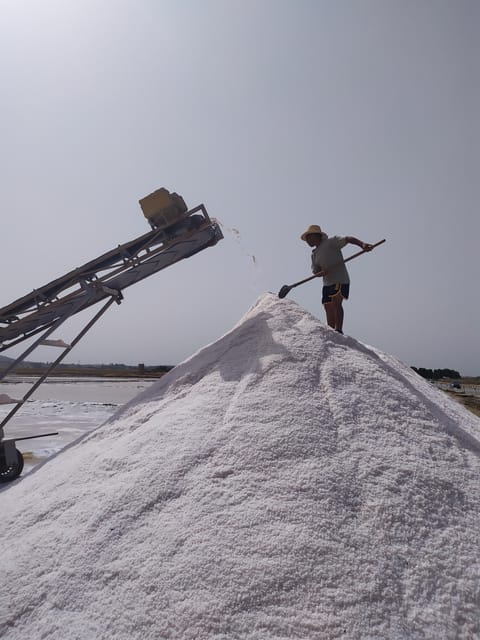
Then the story switches from nature to economy. The Nubia Salt Museum is where the salt becomes more than a sight: it becomes the reason Trapani’s economy has endured for centuries. The tour makes that connection plainly, with a family-managed museum built around the work of salt producers.
And yes, the ride has a “late day” feel. The salt pans and open views look better with softer light, and the tour’s timing is designed around that kind of afternoon/evening atmosphere.
Getting started at Trapaninside, and how to avoid the first-stress problem
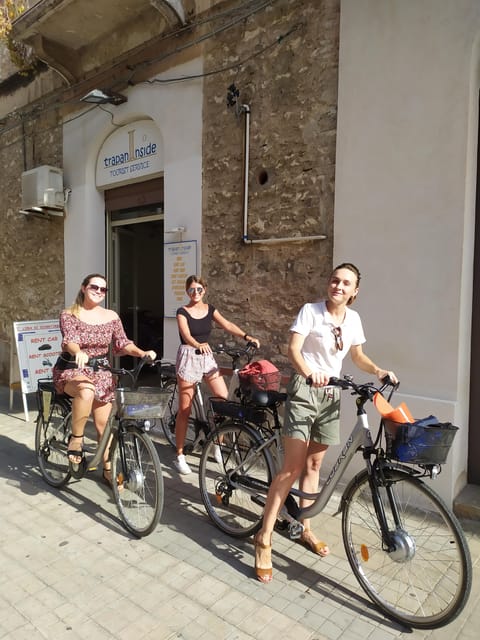
Meeting point matters, because this is a tight 3-hour experience. You meet at Trapaninside – Tourist Service at Via Osorio, 10. I’d plan to arrive about 10 minutes early. That buffer gives you time to settle in without feeling rushed.
There’s also a practical detail: you need to try the right bike size, and the departure is on time. So don’t show up right at the minute the group is supposed to roll—just get there early, get fitted, and you’re good.
The group size is small (limited to 8 participants). That usually means you can actually hear the guide and ask questions without shouting over a crowd. The tour is led live in Italian and English, so you’re not stuck with prerecorded commentary.
The Saline reserve ride: birds, windmills, and “look closer” moments
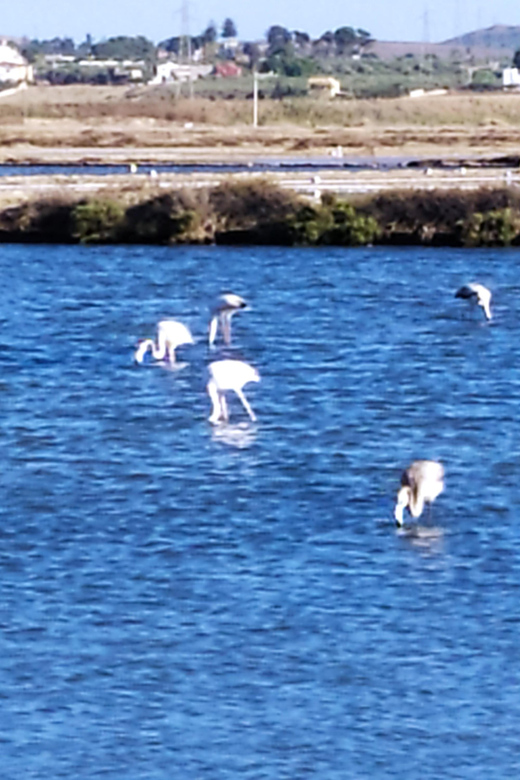
The first part is where the tour earns its wow factor. You cycle through the Natural Reserve of Saline, heading toward a pristine area that supports protected animal species. The tour information specifically calls out birds like pink flamingos, herons, avocets, and plovers. Even if you don’t see every species, you’ll understand what you’re looking at and why it’s protected.
You’ll also notice the landscape of salt production at work—plus the windmills that appear in the area’s imagery. Those windmills aren’t just decorative. They connect the “how” of salt to the way Trapani does business with the elements.
Two ride segments make up this early phase:
- A first electric bike ride of about 30 minutes as you head through the Trapani area
- A second stretch of around 30 minutes focused on scenic views along the way
Here’s the key value for you: this is a moving lesson. You aren’t standing in one spot for long. You’re traveling through the salt zone, so the guide can point out what makes the habitat work and how the saltworks environment supports life.
Possible drawback: because there’s road riding mixed in, don’t expect this to be 100% pedal-path quiet. One of the practical points from past visitors is that if you already have a car, you might think you can drive there yourself. The difference is the explanations and the guided route, which is why it’s worth doing even if you’re not living the off-road dream.
Nubia Salt Museum: where the salt story gets specific
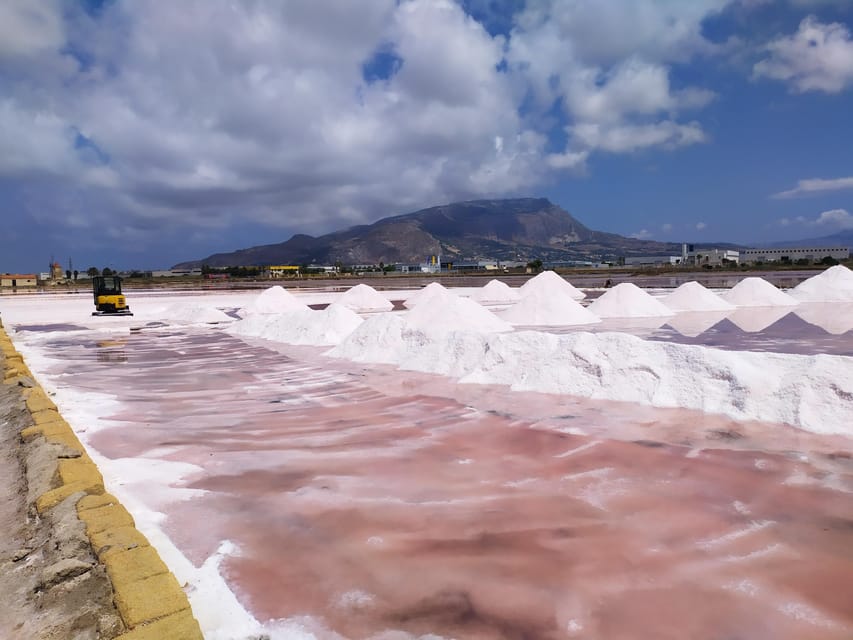
After the first ride, you switch to history you can grasp quickly. The Salt Museum of Nubia is visited for 45 minutes. This part is family-run (managed by a family of salt workers), and that’s a big deal for authenticity.
The museum experience is designed to show you why this mineral matters. Salt isn’t treated as a generic product; it’s presented as the backbone of the territory’s economy—described here as a story spanning almost three thousand years. That time scale is the point: salt shaped labor, settlement, trade, and how people built their lives around the saltworks.
I like museum stops that don’t feel like a random indoor detour. This one fits the tour because it answers the question your eyes are already asking outside: What exactly am I seeing out there, and how did it become a long-term industry?
Since the museum is guided, you’re not left to interpret displays on your own. And if you’ve got limited time in Trapani, this kind of stop adds depth without turning your day into a long museum day.

The tasting at the finish: a small ending with big payoff
At the end, you get to taste salt produced at the finish of the tour—described as best quality salt in production. It’s not a fancy, staged food event. It’s more useful than that: it’s your chance to link the story to the actual product.
This is also where the tour’s pacing makes sense. You’ve already seen the reserve, understood why protected areas matter, and learned how salt became an economic engine. Then you taste. That order helps your brain file the information in a logical way, instead of treating salt as just a tourist theme.
Price and value: what $67.97 buys you in real terms
The price listed is $67.97 per person for about 3 hours. For that money, you get:
- E-bike
- Live tour leader
- Salt Museum ticket
- Bottle of water
- The guided experience components (including the salt tasting)
You’re also not stuck with a long menu of extras—there’s nothing listed as not included. In practical terms, that means the cost is “contained.” You’re paying for the ride, the guide, and the museum entry, which is exactly what you want for a half-day activity.
So is it good value? I think yes, especially because you’re getting more than a viewpoint. You’re buying interpretation: bird habitat context, saltworks history, and a museum stop run by salt workers’ family. With just driving, you might see parts of the area. With the tour, you understand what you’re looking at—and you get to taste the outcome.
Who should book this e-bike salt tour (and who should skip it)
This is a strong fit if you:
- want a guided way to see Trapani’s salt area without planning logistics on your own
- enjoy short, active sightseeing that still includes meaningful explanation
- like bird-and-nature elements mixed with local industry history
- want a small-group tour (max 8) where questions are realistic
It might be less ideal if you:
- hate cycling at all (even on an e-bike)
- expect a fully off-road, trail-only ride
- are looking for a long, slow, wandering nature day instead of a structured 3-hour program
Should you book the Trapani salt pans by e-bike tour?
If your time in Trapani is limited and you want the salt story told in a way that feels tied to the place, book it. The combo of Natural Reserve of Saline cycling, the Nubia Salt Museum visit, and the salt tasting makes this more than “just a ride.”
Also, the guide quality seems to be the standout. Massimo Baudo is specifically praised for being friendly and for explaining clearly in English, which matters a lot when you’re traveling somewhere that’s visual but technical.
My final take: this is a smart, compact way to experience Trapani’s salt culture from two angles—nature first, then the human industry behind it. If that’s your vibe, you’ll probably enjoy the whole arc of the tour.
FAQ
How long is the e-bike salt pans tour?
The tour lasts about 3 hours.
Where is the meeting point?
You meet at Trapaninside – Tourist Service at Via Osorio, 10.
Is the group small?
Yes. The group is limited to 8 participants.
What languages does the live guide speak?
The live tour guide speaks Italian and English.
What’s included in the price?
The tour includes the salt museum ticket, a bottle of water, the e-bike, and a tour leader.
What is not included?
Nothing is listed as not included.
Is there salt tasting?
Yes. You can taste the salt at the finish of the tour.
What do we do in the Saline reserve?
You cycle through the Natural Reserve of Saline to explore a pristine area and its protected animal species, with possible bird sightings such as flamingos and herons.
How long do we spend at the Nubia Salt Museum?
You’ll spend about 45 minutes at the Salt Museum of Nubia.
Is there free cancellation?
Yes, you can cancel up to 24 hours in advance for a full refund.
Do I need to pay right away?
You can reserve now and pay later, so you don’t have to pay immediately.
More Tours in Trapani




More Tour Reviews in Trapani
More Around Trapani and the Salt Pans
Just added: the newest Trapani tours in our notebook
- Afternoon Saline Tour★ 5.0 · 3 reviews
- Trapani: Paragliding flight with GoPro photos and videos★ 5.0 · 4 reviews
- Trapani: Guided Walking Tour with Cannolo★ 5.0 · 4 reviews
- 9 Hours Tour to Segesta, Trapani and Erice from Palermo★ 5.0 · 4 reviews
- Sicily: Selinunte Park Entry Ticket & Sicily Digital Audio Guide★ 4.5 · 4 reviews
- From Trapani: Favignana and Levanzo Yacht Tour with Stops★ 5.0 · 4 reviews
Trapani & Salt Pans, compared.
 ★ 4.2From Trapani: Cruise to Favignana and Levanzo with lunchFrom $532,286 reviews
 ★ 4.2Segesta, Erice and Salt Pans Full-Day Excursion from PalermoFrom $821,791 reviews
 ★ 4.3From Trapani: Day Cruise to Favignana & Levanzo with LunchFrom $461,483 reviews
 ★ 5.0Boat Tour Egadi Day discover Favignana and Levanzo from TrapaniFrom $1391,183 reviews
 ★ 4.2From Trapani: Favignana and Levanzo Mini Cruise with LunchFrom $47814 reviews
 ★ 5.0Favignana and Levanzo, Egadi islands tour by boat from TrapaniFrom $114720 reviews
 ★ 5.0Boat tour to Egadi Favignana and Levanzo islands from TrapaniFrom $102614 reviews
 ★ 5.0Egadi Islands Tour: Favignana and Levanzo from TrapaniFrom $114607 reviews
Browse the lists this tour appears in