

Reviewed · TRAPANI & SALT PANS
Saline di Trapani: 2h 30min Salt Tour
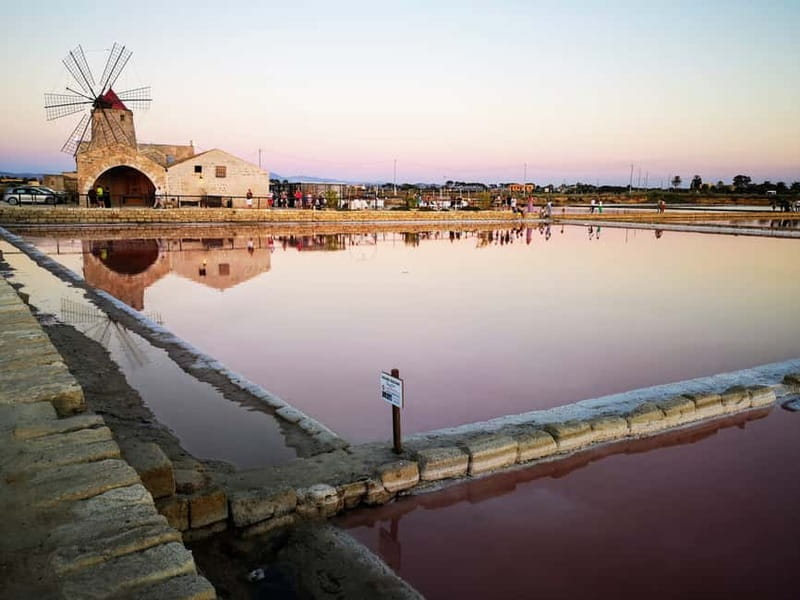
Salt flats feel like another planet. This 2.5- to 3-hour guided loop through the Saline di Trapani nature reserve turns a simple ingredient into a real Sicilian story, with bird-photo moments and hands-on tasting. I especially like that it’s a small group (up to 8), so you don’t get rushed, and you can ask questions as you walk. One consideration: if you’re in the back seats of the van, it can be a little harder to hear the guide’s commentary.
Two things I also like: the tour mixes short walks with comfortable air-conditioned transport, and it builds in time for the good viewpoints. You get a guided look at the Maria Stella salt pans, plus a museum stop inside a historic mill dating to the 1400s. The other practical catch is that the tour does include walking time on uneven ground near salt pans, so proper shoes help.
Go for the time slot that matches your plans, because timing matters here. The guide often works around light for great photos, and flamingos can make the whole place feel even more surreal. If you’re planning to park your day tightly, pencil in the full 3 hours so the salt pans don’t feel like a checklist.
In This Review
- Key moments you can count on
- Why Saline di Trapani is more than a salt stop
- Getting there: van rides, short walks, and how the timing works
- Maria Stella salt pans: bird photos and the salt-making logic
- Inside the salt museum in a 1400s mill
- Windmills, viewpoints, and the tasting stops that feel human
- What you’ll learn when you taste crystals vs flakes
- Who should book and when to go for the best light
- Should you book Saline di Trapani: a straightforward recommendation
- FAQ
- How long is the Saline di Trapani salt tour?
- What is included in the price?
- Where is the meeting point?
- How large is the group?
- Which languages are available?
- Is hotel pickup included?
- Is there free cancellation?
- Will there be a meal during the tour?
Key moments you can count on
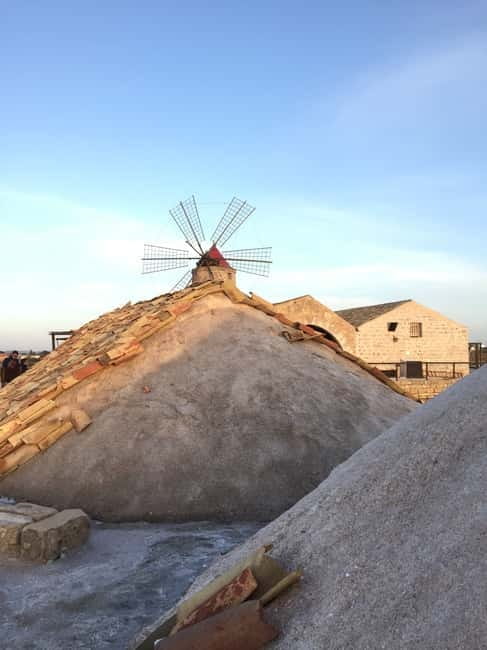
- Maria Stella salt pans: how salt is formed, step by step, in the same environment used for generations
- Flamingos and nesting birds: photo-friendly spots along the waterline and edges
- Salt museum in a 1400s mill: see how harvesting and processing worked (and why it mattered)
- Windmills + scenic photo stops: built-in pauses to look, not just move
- Salt tasting with crystals and flakes: compare different types and how they behave on the tongue
- Small-group pace: up to 8 people, so you’re not shouting over crowds
Out to the Trapani salt flats
- From Trapani: Cruise to Favignana and Levanzo with lunch
★ 4.2 · 2,286 reviews - Boat Tour Egadi Day discover Favignana and Levanzo from Trapani
★ 5.0 · 1,183 reviews - From Trapani: Favignana and Levanzo Mini Cruise with Lunch
★ 4.2 · 814 reviews - Favignana and Levanzo, Egadi islands tour by boat from Trapani
★ 5.0 · 720 reviews
Why Saline di Trapani is more than a salt stop
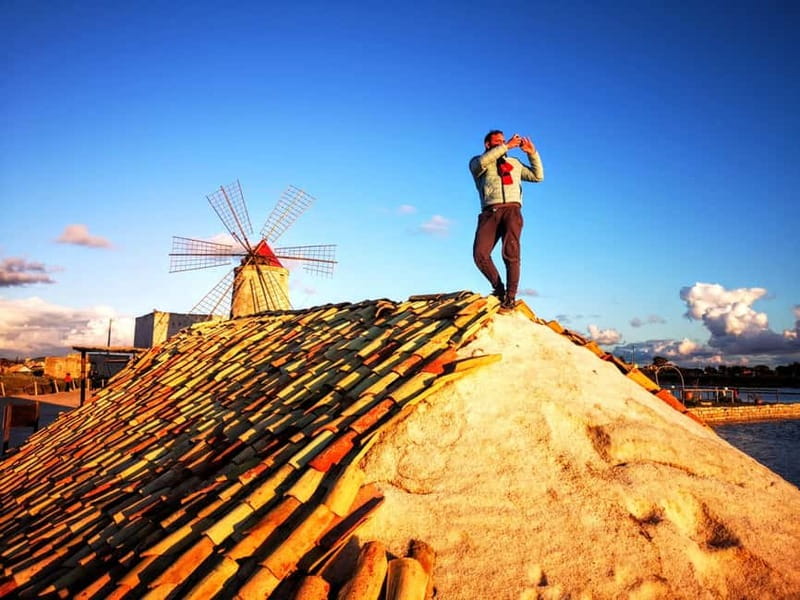
Saline di Trapani is one of those places where your brain switches gears. You start by looking at white shapes on dark ground, then the guide connects it to survival, trade, and everyday Sicilian life. Salt here is not just seasoning. It’s a local craft shaped by weather, water flow, and patience over time.
What makes this tour feel worth your time is the way it explains salt as a process you can visually track. You’ll learn how the same salinity that seems ordinary to us was once called white gold because of its importance. And you’ll hear why the salt flats between Trapani, Paceco, and Nubia have been used for around 2600 years.
Then there’s the nature side. The salt pans act like a living habitat, and that’s why you can spot birds—sometimes flamingos—near the shallow edges. This is one of those experiences where the scenery isn’t just backdrop. It’s part of how the salt environment works.
The value angle is simple: for $59, you’re paying for transport, a local guide, salt pans access, museum entry, and tasting. If you tried to DIY it on your own, you’d likely spend time figuring out routes and missing the explanations that make the whole thing click.
Getting there: van rides, short walks, and how the timing works
This tour runs about 3 hours with a mix of van time and foot time. That balance matters because the salt pans are spread out and you don’t want to waste your energy walking between viewpoints you can’t really enjoy. The itinerary is built around mini-transfers, then small bursts of walking and learning.
You’ll meet at Via Ammiraglio Staiti, 101, close to the fire station area. After a short van ride, there’s a guided bit in Trapani with a short walk. It’s not a long city tour. It’s more like orientation, so you understand what you’re seeing before you reach the salt pans.
Next comes Nubia, where you get another guided stop plus walking and scenic views on the way. This is where the guide’s explanations start feeling more grounded, because you’re watching the terrain change in real time. After that, the route shifts into the salt-pans zone, with more focused stops.
A couple practical tips to make this smoother:
- Wear closed-toe shoes you trust on rough ground.
- Bring sunglasses. The glare off salt and water can be intense.
And yes, one small drawback to keep in mind: the van can make the guide’s voice a bit tough to catch if you’re seated toward the back. If you can, pick a seat closer to the front so you get every detail.
Maria Stella salt pans: bird photos and the salt-making logic
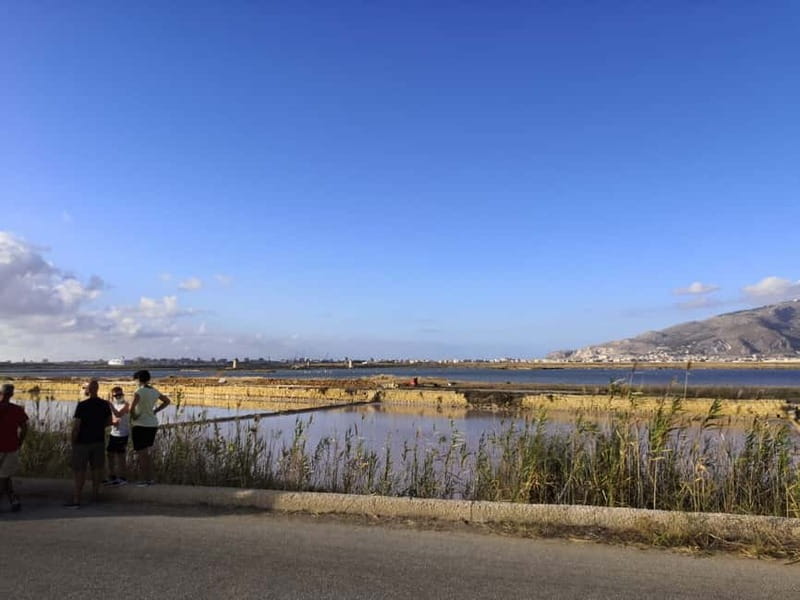
The heart of the day is the salt pans, especially the Maria Stella area. This is where you start seeing the salt as something formed on purpose—by managing water, exposure, and time. The guide points out how cultivation works and how the salt layers relate to each stage of production.
What I like about a guided salt-pan walk is that it turns your photos from random scenery into proof you understood something. When you’re told what to look for, you notice patterns: where water collects, how the salt surface behaves, and why different patches can look different even in the same place.
This is also where birdwatching becomes more than luck. The tour includes time for photographs of nesting flamingos and other birds. Don’t worry about needing wildlife expertise. The guide helps you spot where birds tend to be, and the salt flats provide natural framing for photos.
You’ll also walk along the edge of the salt flats. That edge matters because it’s the boundary where everything changes—light, reflections, and the salt environment itself. It’s one of the best ways to understand the space without staring from a distance.
If you’re sensitive to heat or strong wind, plan clothing you can adjust in layers. Even when the walk segments are short, the open salt-pan environment can feel exposed.
Inside the salt museum in a 1400s mill
The museum stop is one of the smartest parts of the tour. You get to step away from the open flats and see how people turned a natural resource into a working system. The visit takes place inside a historic mill from the 1400s, which adds instant context: this isn’t a modern exhibit slapped onto the side of a working landscape.
Inside, the guide explains the different phases of salt harvesting and how processing changed the final product. You’ll also learn why salt wasn’t just about taste. It affected food preservation, trade value, and local livelihoods.
One of the benefits of learning in a museum setting during a salt tour is that it helps you connect the physical walk to the bigger picture. On the flats, you’re mostly observing and listening. In the museum, you’re organizing what you’ve heard into something you can remember later—how the pieces fit and why the system made sense.
Practical note: museums can be a good indoor break if the day is hot. Here it’s not just air-conditioned time. It makes the salt pans more meaningful when you head back outside.


Windmills, viewpoints, and the tasting stops that feel human
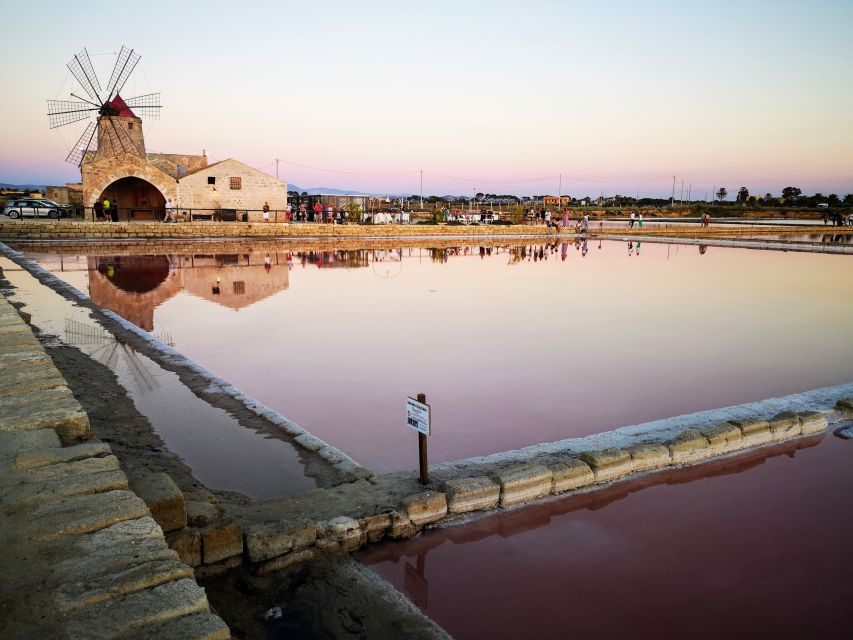
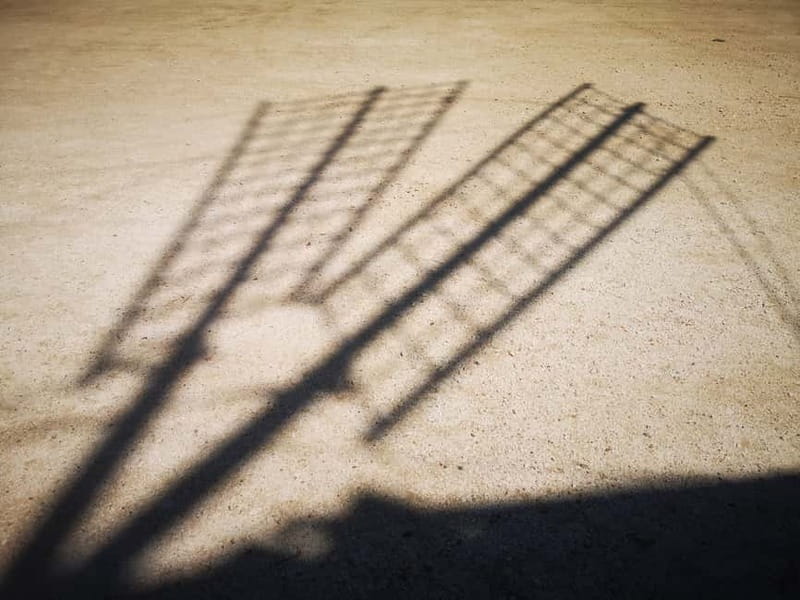
The tour continues with stops that shift your attention from close-up details to wider views. One highlight is the windmills visit, guided for about 30 minutes. These aren’t there just for atmosphere. They connect to the practical side of how the flats function, and the guide’s explanations make them feel relevant rather than decorative.
Then you get viewpoints and photo stops. There’s a specific photo-and-scenic segment, with time to visit and look around. This is where you’ll appreciate how the salt flats sit within the wider area between Trapani and Nubia. Even if you’re not a “photo person,” these breaks are worth it because they help you understand scale.
The tour also includes a secret stop that focuses on food tasting, about 10 minutes. This isn’t a full meal, but it’s a quick taste of local flavor tied to the salt story. The guide makes it feel connected instead of random, which is what you want on tours like this.
For me, the best tours don’t just show you things. They pace you so you can process what you saw. The windmills and viewpoint timing do that, and the tasting rounds out the experience so it ends with something you can actually use at home.
What you’ll learn when you taste crystals vs flakes
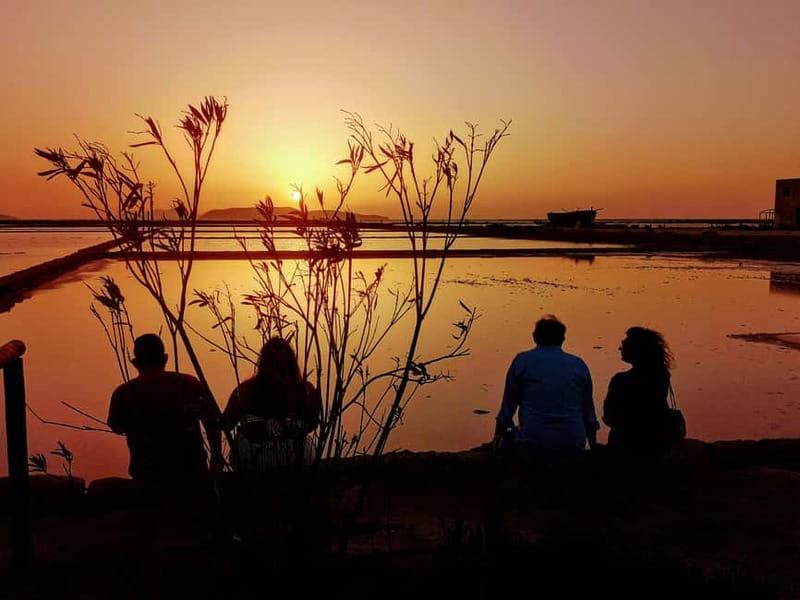
The tasting is where the tour becomes personal. You don’t just hear about salt. You compare types by taste and texture. You’ll sample salt crystal and salt flakes, including flavored salt. It’s a fun part, but it also teaches something practical: different salt forms behave differently, and the same ingredient can feel completely different depending on how it’s processed.
A key learning point here is the difference between refined salt and whole salt. Refined salt tends to be more uniform, while whole salt keeps more of what comes with salt formation. The guide uses this comparison to explain why some salts taste more complex than others, and why locals treat salt as a craft rather than a commodity.
You’ll also notice how much salt flavor can change when you switch from crystals to flakes. Flakes often dissolve or spread differently on your tongue and in cooking, which helps you understand why chefs and salt farmers obsess over texture, not just saltiness.
How this helps you after the tour: if you cook at home, you’ll know which salt types to reach for depending on what you want to do. Want a clean, simple finish? Use refined. Want more character? The whole-salt style tends to be the direction you’ll remember from the tasting.
This is also where small group size helps. If you have questions about what you’re tasting or why it differs, you can get an answer on the spot instead of letting the moment pass.
Who should book and when to go for the best light
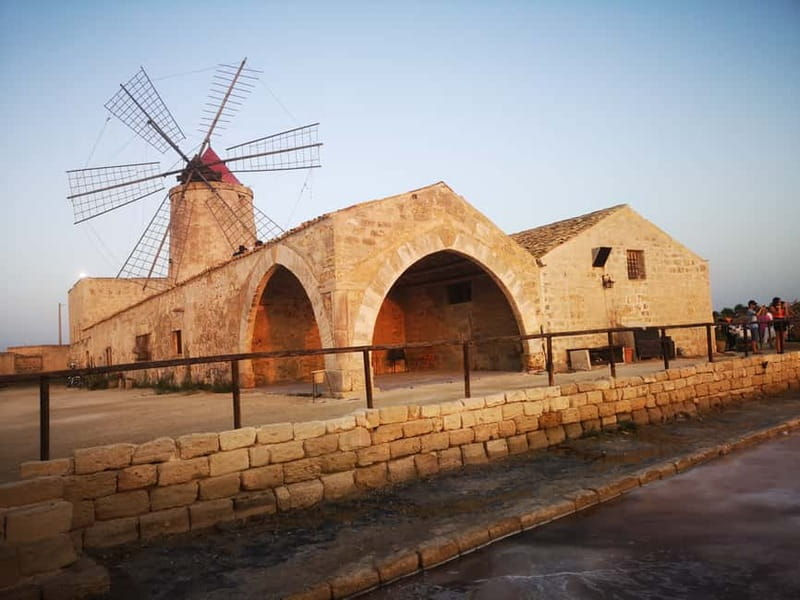
This tour suits you if you want something unusual that’s still practical. It’s great for couples, solo travelers, and small groups who like guided nature and food culture more than check-the-box sightseeing. If you’re staying in Trapani for a day or longer, this is one of the most local experiences you can fit in without needing a car.
It’s also a smart choice if you love photography. Flamingos and birds are a real possibility, and the salt pans give you reflections and shapes that many places can’t. And if you care about atmosphere, time matters: the guide has adjusted timing in the past so the light lands well, including sunset-like conditions that make the scene feel extra special.
If you’re traveling with kids, the tour can work well because it mixes story, visuals, and tasting. Just remember there are walking segments, so comfortable shoes and patience help.
Finally, think about your energy level. You’re on your feet for the walking portions, but the van moves you between the main points, so it doesn’t become a long hike. For most people, it’s an accessible way to experience the salt flats up close.
Should you book Saline di Trapani: a straightforward recommendation
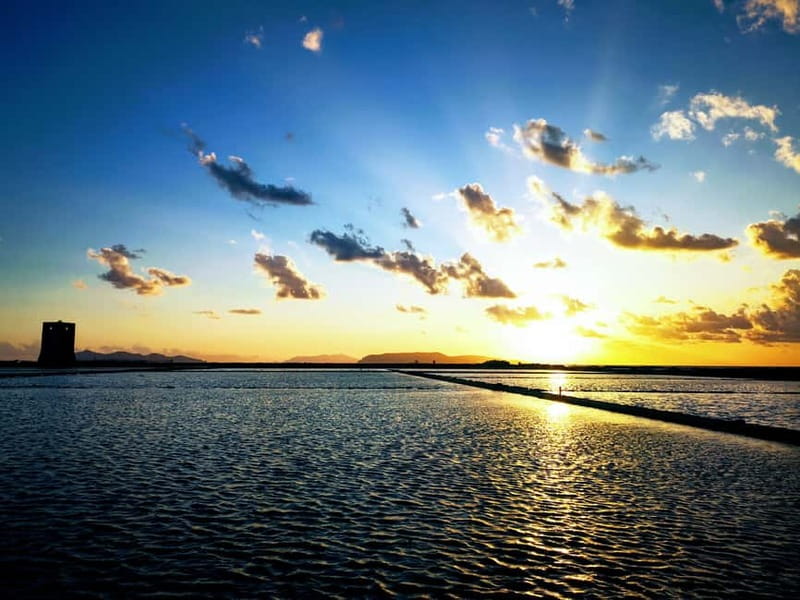
Book this tour if you want the short answer to a big question: how salt is made, why it mattered in Sicily, and what it tastes like when it’s crafted—not just packaged.
Skip it (or be more selective) if you hate guided groups, dislike walking on uneven ground, or you’re only interested in salt as a supermarket product. The museum and tasting are part of the value, so you’ll miss the point if you only want views from a distance.
If you’re on the fence, my call is simple: the included van transfer, salt museum entry, and tasting make the $59 feel like you’re buying interpretation, not just access. And with a guide like Alessio, the salt pans turn into a story you can actually repeat back at dinner.
FAQ
How long is the Saline di Trapani salt tour?
The tour lasts about 3 hours.
What is included in the price?
Roundtrip transfer in an air-conditioned van, a local guide, entrance to the salt museum, salt tasting, and entrance to the salt pans.
Where is the meeting point?
The meeting point is Via Ammiraglio Staiti, 101, close to the fire station.
How large is the group?
The group is small, limited to 8 participants.
Which languages are available?
The live tour guide offers Italian and English.
Is hotel pickup included?
Hotel pickup and drop-off are not included, though the tour provides roundtrip transfer by van from the meeting area.
Is there free cancellation?
Yes. You can cancel up to 24 hours in advance for a full refund.
Will there be a meal during the tour?
Meals are not included, but there is a food tasting stop during the experience.
More Tours in Trapani





More Tour Reviews in Trapani

More Around Trapani and the Salt Pans
Just added: the newest Trapani tours in our notebook
- Afternoon Saline Tour★ 5.0 · 3 reviews
- Trapani: Paragliding flight with GoPro photos and videos★ 5.0 · 4 reviews
- Trapani: Guided Walking Tour with Cannolo★ 5.0 · 4 reviews
- 9 Hours Tour to Segesta, Trapani and Erice from Palermo★ 5.0 · 4 reviews
- Sicily: Selinunte Park Entry Ticket & Sicily Digital Audio Guide★ 4.5 · 4 reviews
- From Trapani: Favignana and Levanzo Yacht Tour with Stops★ 5.0 · 4 reviews
Trapani & Salt Pans, compared.
 ★ 4.2From Trapani: Cruise to Favignana and Levanzo with lunchFrom $532,286 reviews
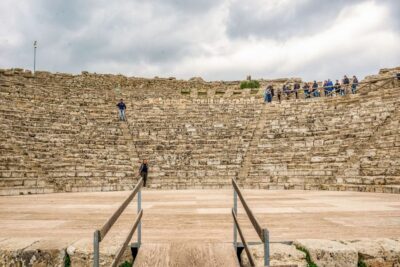 ★ 4.2Segesta, Erice and Salt Pans Full-Day Excursion from PalermoFrom $821,791 reviews
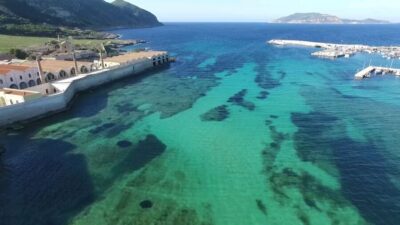 ★ 4.3From Trapani: Day Cruise to Favignana & Levanzo with LunchFrom $461,483 reviews
 ★ 5.0Boat Tour Egadi Day discover Favignana and Levanzo from TrapaniFrom $1391,183 reviews
 ★ 4.2From Trapani: Favignana and Levanzo Mini Cruise with LunchFrom $47814 reviews
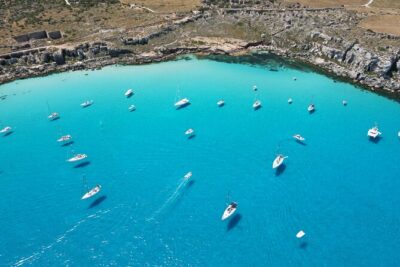 ★ 5.0Favignana and Levanzo, Egadi islands tour by boat from TrapaniFrom $114720 reviews
 ★ 5.0Boat tour to Egadi Favignana and Levanzo islands from TrapaniFrom $102614 reviews
 ★ 5.0Egadi Islands Tour: Favignana and Levanzo from TrapaniFrom $114607 reviews
Browse the lists this tour appears in