
Reviewed · CATANIA TOURS
Catania: le coeur de la ville – Tour guidé en français
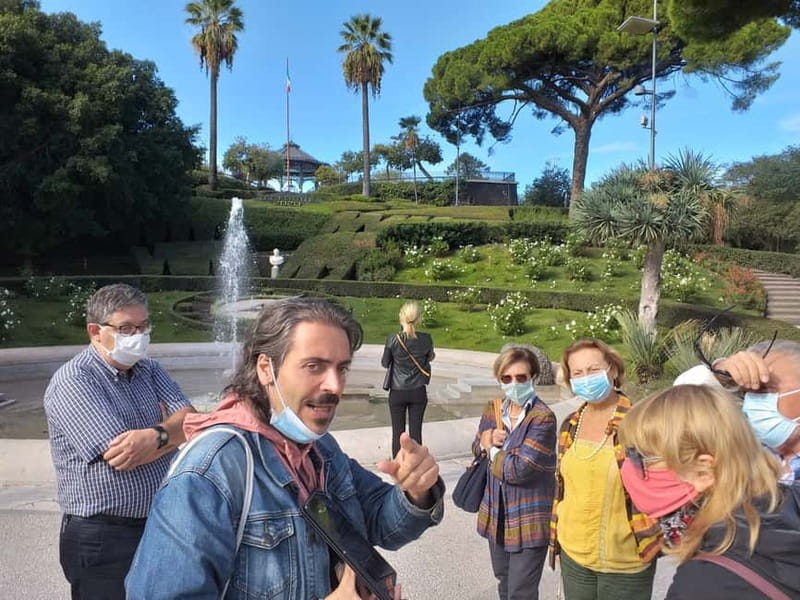
Catania makes sense at street level. This French guided walking tour strings together the city’s key sights in the center, with a local licensed guide who explains what you’re looking at and how people lived around it. You start near Piazza Duomo, spot the city’s lucky elephant, and end in the university area.
What I like most is the mix of big monuments and everyday Catania. You get into the Catania Cathedral, and the stop at the fish market comes with practical pointers on where to eat and how the nightlife scene fits into the neighborhood.
One thing to consider: most sights are explained from the outside, so if you want to go deep inside every building, you’ll still need extra time on your own. Also, it’s a walk in real weather since the tour runs in all conditions unless conditions become truly bad.
In This Review
- Quick highlights
- Getting Oriented in Catania’s Center, Fast
- Meeting Point at Via Merletta: Look for the Blue Flag
- Piazza Duomo and the Lucky Elephant Symbol
- Catania Cathedral Interior: What You’ll Be Seeing
- The Fish Market Stop and Where to Eat Next
- Ursino Castle: A Medieval Survivor After 1693
- Via Crociferi: Baroque Churches and Convent Architecture
- Piazza Giuseppe Mazzini and the Shift Back to Daily Life
- Finishing at Piazza Università (UNESCO Area)
- Price and Value: Why $23 Makes Sense Here
- Weather, Group Size, and the Real-World Considerations
- Who This Tour Is Best For (and Who Might Skip It)
- What to Do After the Tour: Use the Tips, Not Just the Photos
- Should You Book This French Guided Walk in Catania?
- FAQ
- What language is the tour offered in?
- How long is the tour?
- Where do I meet the guide?
- Where does the tour end?
- Which places will we see?
- Is food included?
- Are monuments included for entry?
- Is the tour wheelchair accessible?
- What’s included in the price?
- What if the tour is canceled due to low participation or bad weather?
Quick highlights
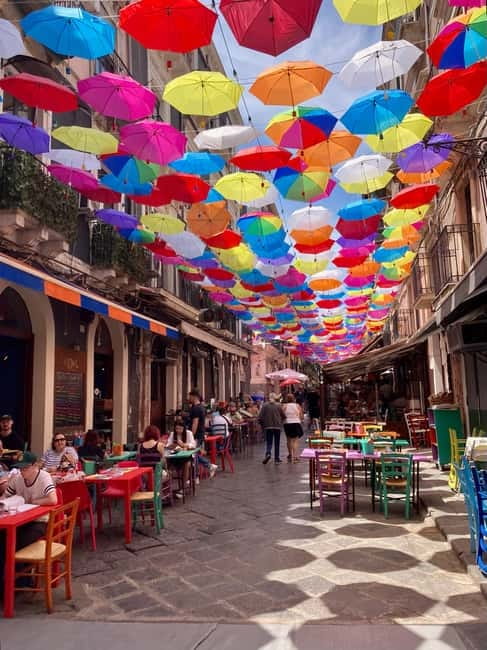
- Piazza Duomo start with the lucky elephant: get your bearings fast and learn what that symbol means for Catania.
- Cathedral interior visit: you’re not stuck with just exterior photos.
- Fish market stop: you’ll see where locals shop and you’ll pick up restaurant and nightlife hints.
- Ursino Castle and the 1693 earthquake story: a medieval monument that survived when much of the city didn’t.
- Via Crociferi baroque stretch: convents and churches along one of the most beautiful streets in the area.
- Finish near Piazza Università (UNESCO-listed area): you wrap up in a historically important zone rather than a random corner.
What else Catania has going on
- Catania: Mount Etna Morning or Sunset Day Trip with Tasting
★ 4.8 · 4,028 reviews - Catania: Sunset Jeep Tour of Mount Etna and Lava Flow Caves
★ 4.8 · 2,113 reviews - Catania: Etna Sunset Tour with Pickup and Drop-off
★ 4.8 · 1,348 reviews - Etna Sunset Tour: Volcano trek, Cave & tasting from Catania
★ 4.8 · 1,290 reviews
Getting Oriented in Catania’s Center, Fast
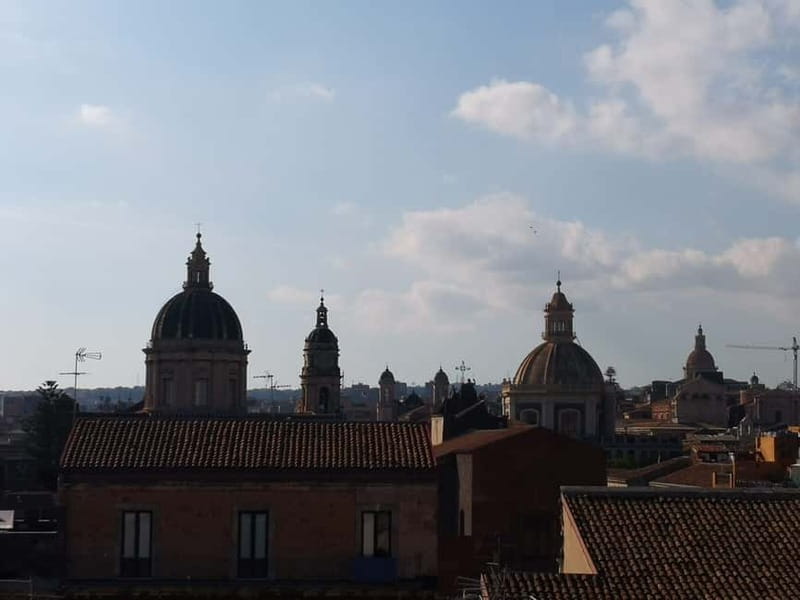
Catania can feel like it has layers stacked on top of each other—lava stone, baroque facades, and modern street life all mixed together. The best way to get oriented is exactly what this tour does: it stitches the center into a clear walking route, so the sites start making sense as a whole instead of a list.
You’ll move at a comfortable pace for about two hours, focused on the historic core. It’s a walking tour, so the main “transport” is your own two feet. That sounds obvious, but it matters: the guide’s commentary lands better when you’re standing where the story happened.
If you’re thinking about value, the price is pretty approachable for a licensed guide plus an interior visit. For around $23 per person, you’re paying for interpretation—someone putting order to all those streets so you can explore independently afterward.
Meeting Point at Via Merletta: Look for the Blue Flag
You don’t meet at some vague plaza. You start at the Infopoint Turistico GS Guiding Sicily on Via Merletta street, right by Piazza Duomo—near the western corner of the town hall (Palazzo degli Elefanti).
The meeting instructions are specific: look for a blue flag inside a big pot of flowers, plus a panel showing the blue Guidingsicily Beauty logo. Once you know the visual cue, it’s easy to find and reduces the usual first-day stress in a new city.
The tour is in French, so if you’re booking for language practice, this is a clean, focused way to do it. And if you’re with someone who prefers accessibility-friendly options, the tour is listed as wheelchair accessible.
Piazza Duomo and the Lucky Elephant Symbol
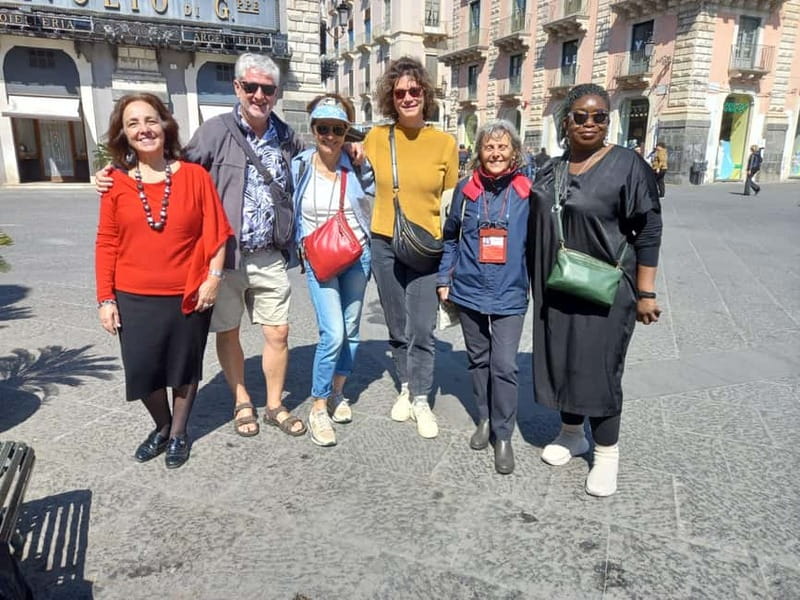
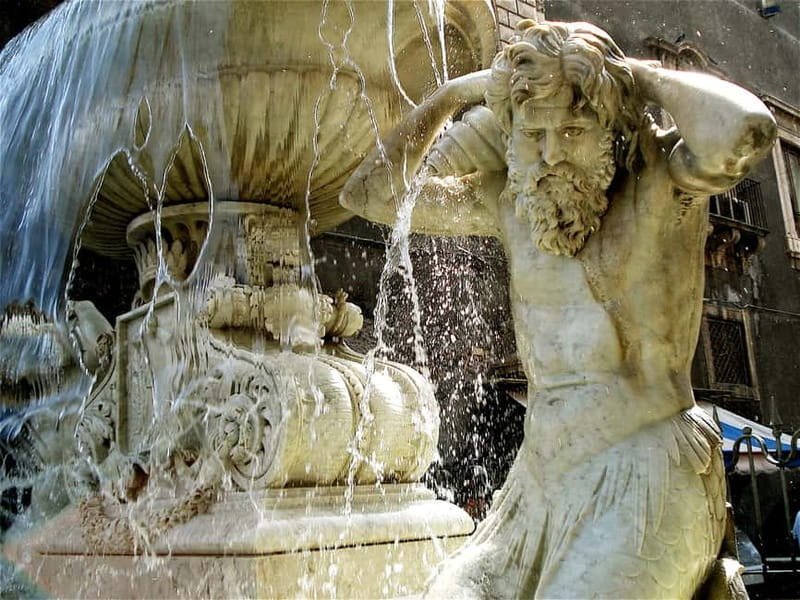
Your first big moment is Piazza Duomo, where the guide orients you in the square and points you toward the story behind the city’s most famous emblem: the statue of the lucky elephant.
This kind of opening stop matters more than it sounds. It gives you a symbol to anchor to, so later monuments don’t feel random. Catania has a reputation for dramatic history, but symbols help you remember the human side—what locals keep close and why.
You’ll also get a sense of how the square functions today: it’s not a dead museum space. It’s where people pass through, meet, and start their day. That makes the guide’s legends and anecdotes land with more realism.
Catania Cathedral Interior: What You’ll Be Seeing
From Piazza Duomo, you head into the Cathedral of Catania for a guided visit. Even if you’ve seen other Sicilian cathedrals, this interior stop is a key reason the tour feels like more than just “photo points.”
The guide doesn’t just point at features—you’re guided through what to notice, with context tied to Catania’s past. That’s the real benefit: you leave with a mental checklist, so when you see churches later on your own, you know what you’re looking at.
If you’re the type who likes architecture but hates the feeling of being left alone with a monument, this interior stop is your payoff. It’s also a good break from walking—short but meaningful.
The Fish Market Stop and Where to Eat Next
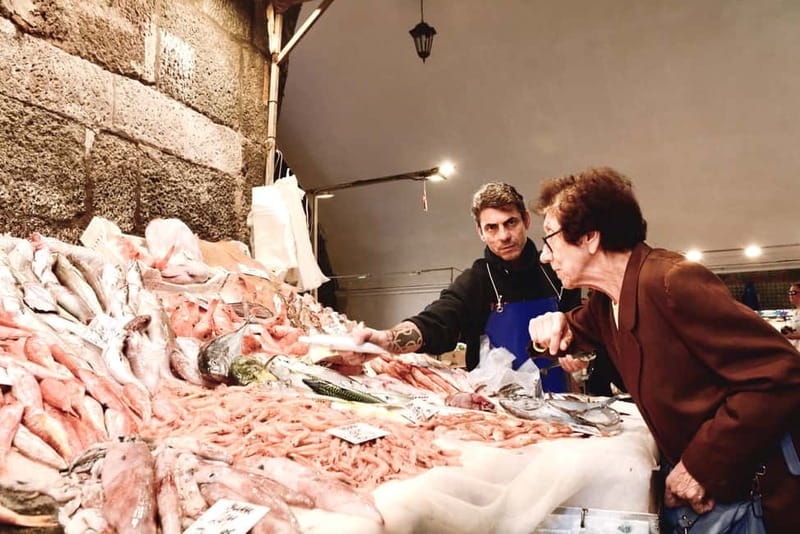
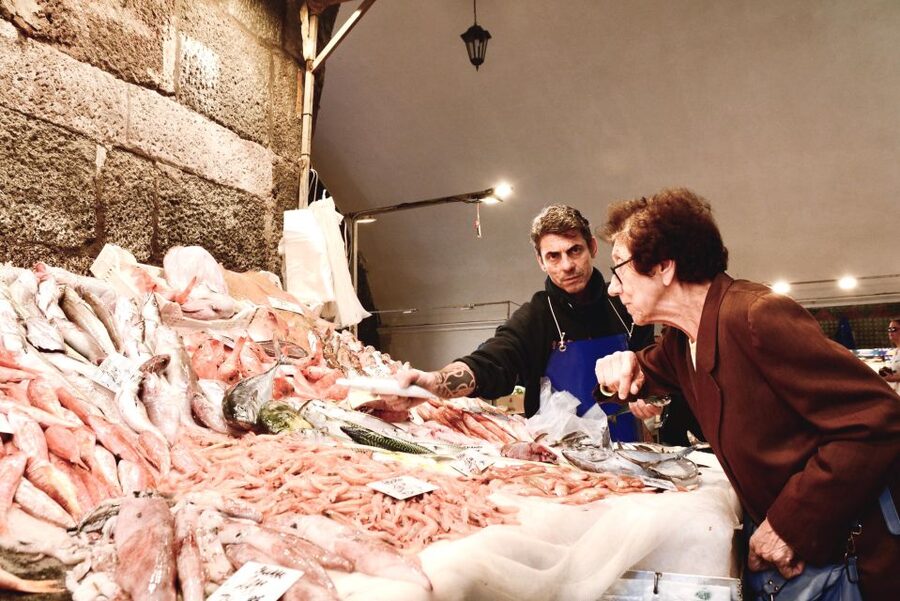
Next comes the Catania fish market area, where you’ll walk through and learn what the market represents in everyday life. This isn’t just a visual stop. The guide links the market to the city’s restaurant scene, including tips for Catania’s nightlife.
For you, that means two practical wins:
- You’ll understand why the market area draws people.
- You’ll get direction for what to do with your free time afterward, not just what to look at.
If you like meals that feel local—less “menu theater,” more real neighborhood flow—this is the part that can pay off the same evening. The tour doesn’t include food, but it sets you up to choose well without wasting time wandering.
Ursino Castle: A Medieval Survivor After 1693
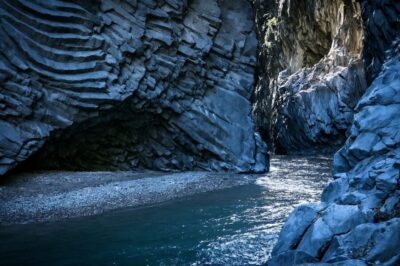
Ursino Castle is one of those stops that feels instantly cinematic once you stand in front of it. The key detail the guide shares is the reason it’s so famous: it’s described as the only medieval monument to survive the earthquake that devastated Catania in 1693.
Even if you’ve only studied the big European earthquakes in passing, hearing that connection on-site makes it real. You’re not reading a timeline—you’re standing before a building that outlasted a catastrophe and still anchors the city’s skyline.
Because the tour focuses on exterior explanations here, you get the story without turning the visit into a long attraction detour. That approach works well for a two-hour format. If you want to spend more time at Ursino later, you’ll know what matters and what to look for.
Via Crociferi: Baroque Churches and Convent Architecture
This is the walking section where Catania starts to look like a place that designed itself for your eyes. Along Via Crociferi, you’ll see convents and churches that earned the street its reputation as one of the most beautiful baroque stretches in the area.
Baroque can sound like an art-world buzzword, but on Via Crociferi, you’ll get a practical way to read it: the guide ties architectural choices to the religious and cultural life that shaped the city. You’ll be walking through a corridor of facades, so the commentary helps you separate “ornament” from “meaning.”
A small caution: because this is a walking tour, the “best views” depend on your pace and where you stand. Keep an eye on the guide’s grouping, and don’t be shy about moving a half-step to see the facade they’re describing.
Piazza Giuseppe Mazzini and the Shift Back to Daily Life
Between the major monument stops, you pass through smaller focal points, including Piazza Giuseppe Mazzini. This kind of interlude matters because it slows the intensity down just a bit and reminds you that Catania is lived-in, not frozen.
These short stops also help the guide pace the story. After a cathedral and a castle, a quick square moment lets your brain regroup. Then Via Crociferi hits with renewed impact.
If you’re someone who usually finds tours exhausting, this built-in rhythm is a plus. It’s not nonstop “big stop, next stop.” There’s breathing room.
Finishing at Piazza Università (UNESCO Area)
The walk ends at Piazza Università, described as a UNESCO-listed university area. Even if you’re not planning to go inside any buildings, this finish is smart. You end in a zone that signals “Catania’s ongoing identity,” not just the historic core as a sealed chapter.
A good tour should leave you with a direction for your next move. Ending near a major institutional hub gives you easy options: keep walking, grab a drink, or return toward the squares with a clearer sense of where you are.
And as an added note from the booking details: while the route ends in the university area, the activity instructions also say the tour concludes back at the meeting point. In practice, you’ll know where to return because you’ll have passed those landmarks already during the walk.
Price and Value: Why $23 Makes Sense Here
At about $23 per person, this tour sits in the “good buy” category for a couple reasons.
First, you’re not only seeing outside monuments. You also visit the Cathedral interior, which is a stronger value than tours that never step past a doorway. Second, you’re getting interpretation by a licensed guide in French, which saves you time figuring out what matters.
Finally, the fish market portion adds value that’s hard to measure in a brochure: you leave with guidance for meals and nightlife. Even one good dinner recommendation can make the tour feel like a no-brainer.
If you prefer to spend your money on tickets and skip guides, then a self-guided walk might suit you. But if you like your time in a new city to feel organized and meaningful, this price-to-payoff ratio is solid.
Weather, Group Size, and the Real-World Considerations
This tour runs in all weather conditions. That’s not a problem if you pack for it, but it’s a reminder that you’re walking outdoors between stops. Bring a light layer or rain protection depending on the season.
Group size is set as a minimum of four participants. If there aren’t enough people, the tour can be canceled the day before. On the bright side, multiple guides have delivered a good small-group feel, and one notable mention in the guide credits included Tiziana—so the experience seems to depend on real people doing real explanations, not canned audio.
Who This Tour Is Best For (and Who Might Skip It)
This tour is a great fit for you if:
- You want a French guided introduction to Catania’s center with a clear storyline.
- You like monuments but also want the market-and-food angle that shows how locals move through the day.
- You’re short on time and want a route that covers Duomo, fish market, Ursino Castle, Via Crociferi, and the university area in about two hours.
You might choose something else if you:
- Want a tour that includes lots of extra indoor sites beyond the cathedral.
- Plan to spend the whole day in one neighborhood and prefer a longer, slower pace with deeper stops.
What to Do After the Tour: Use the Tips, Not Just the Photos
After a walking tour like this, the best move is to let the guide’s context carry you forward. If the guide pointed out nightlife options near the fish market, use that. Staying in the area where you learned the local logic usually beats wandering on empty instincts.
Also, go back to the streets you just walked and look for what the guide taught you to notice. Via Crociferi becomes easier to read when you already know which convents and churches the route is pointing out.
You’ll get more from Catania when you stop treating it like a checklist and start treating it like a neighborhood with history layered into everyday life.
Should You Book This French Guided Walk in Catania?
Yes, if you want a compact, well-structured introduction to central Catania and you appreciate a real guide explaining what you’re seeing. The biggest strengths are the Cathedral interior visit, the market stop with restaurant and nightlife tips, and the way the route connects major landmarks with the story behind them.
If you dislike walking in potentially wet conditions or you want lots of additional paid entrances beyond one interior stop, then budget your expectations accordingly. But for most people doing a first (or second) visit, this is a smart way to turn Catania from a place you pass through into a city you understand.
FAQ
What language is the tour offered in?
The tour is conducted in French.
How long is the tour?
It lasts about 2 hours.
Where do I meet the guide?
Meet at the Infopoint Turistico GS Guiding Sicily on Via Merletta street at the corner with Piazza Duomo (the western corner of Palazzo degli Elefanti). Look for a blue flag inside a big pot of flowers and a panel with the blue Guidingsicily Beauty logo.
Where does the tour end?
The tour ends at the area of Piazza Università. The activity notes also indicate the tour concludes back at the meeting point.
Which places will we see?
You’ll visit key sights including Piazza Duomo, the Catania Cathedral, the fish market area, Ursino Castle, Piazza Giuseppe Mazzini, Via Crociferi, and finish in Piazza Università.
Is food included?
No. Food and drinks are not included.
Are monuments included for entry?
The monuments are explained to you from the outside so you can visit them independently if you want. The Cathedral interior is included as part of the guided visit.
Is the tour wheelchair accessible?
Yes, it is listed as wheelchair accessible.
What’s included in the price?
You get a local licensed guide and a walking tour.
What if the tour is canceled due to low participation or bad weather?
The tour requires a minimum of 4 participants and can be canceled the day before if there aren’t enough people. It runs in all weather conditions, but if weather is really bad it can be canceled.
More Tours in Catania



More Tour Reviews in Catania


Keep Exploring Catania
Just added: the newest Catania tours in our notebook
- Transfer Catania / Agrigento Airport★ 5.0 · 3 reviews
- Sicily private shore excursion – Etna and Taormina with personal driver★ 3.5 · 3 reviews
- Sunset Trekking on Mount Etna★ 5.0 · 3 reviews
- Private Transfer from Catania to Palermo or vice-versa with stop★ 5.0 · 3 reviews
- From Syracuse: Mount Etna Volcano Morning Trekking Tour★ 5.0 · 3 reviews
- Catania: Guided Street Food Tour with Tastings★ 5.0 · 3 reviews
Catania Tours, compared.
 ★ 4.8Catania: Mount Etna Morning or Sunset Day Trip with TastingFrom $704,028 reviews
 ★ 4.8Catania: Sunset Jeep Tour of Mount Etna and Lava Flow CavesFrom $712,113 reviews
 ★ 4.9Catania: Mount Etna Trekking Tour Beyond the Tourist TrailsFrom $811,596 reviews
 ★ 4.8Catania: Etna Sunset Tour with Pickup and Drop-offFrom $711,348 reviews
 ★ 4.8Etna Sunset Tour: Volcano trek, Cave & tasting from CataniaFrom $701,290 reviews
 ★ 4.8Catania: Etna Morning Excursion with Tasting and PickupFrom $711,224 reviews
 ★ 5.0Mt. Etna and Taormina village full day tour from CataniaFrom $1181,155 reviews
 ★ 4.9Catania: Amazing Etna Morning Tour with Pickup and Drop-OffFrom $81799 reviews