
Reviewed · SCUBA DIVING
Basic Scuba Diver
Sicily makes scuba training feel real. In Aci Castello, you’ll do a Basic Scuba Diver course mixing classroom sessions with guided water practice, then finish with an exam that leads to an international certification.
I love the way Andrea keeps things structured, with shallow-water skills before you go farther, so you always understand what’s next. I also like the small-group feel (up to 15 people), which makes it easier to get personal coaching without turning class into crowd control.
One thing to weigh: you’ll need a health questionnaire before you get in the water, and some conditions may mean you can’t participate. Plus, it’s weather-dependent, so expect possible schedule changes if conditions are poor.
In This Review
- Key points before you book
- Why Aci Castello works so well for this course
- The 8:30 am meet-up and wetsuit fitting near Acitrezza
- Classroom sessions: learning the standards, not just the fun part
- In-water coaching with Andrea: practice you can actually trust
- Going from shallow skills to deeper water
- Boat time near the port: what your training day feels like
- Certification, exam, and getting your international card
- Price of $520.92: what you’re really paying for
- Who should book this course, and who should think twice
- Should you book Etna & Sea Excursion for Basic Scuba Diver?
- FAQ
- Where is the meeting point for the course?
- What time does the course start?
- How long is the Basic Scuba Diver course?
- Is scuba equipment rental included?
- Do I need prior certification?
- Will I need to complete a medical questionnaire?
- Does the course depend on weather?
- What do I receive at the end of the course?
- Is there a group size limit?
Key points before you book
- Small group size (max 15) helps you get attention during skills practice.
- Theory + in-water coaching are built into the same course, not tacked on later.
- Andrea’s step-by-step approach starts with shallow drills and safety checks before going deeper.
- Gear rental is included, so you only need yourself and your best attitude.
- Punctual start at 8:30 am near the port area keeps the day moving.
- International certification after the exam is part of the course design.
A few we would gladly point a friend toward in Sicily
- Diving for patented divers
★ 5.0 · 175 reviews - Diving for certified divers with PADI 5* Diving Resort – Taormina
★ 5.0 · 167 reviews - Exciting PADI Discover Scuba Diving Experience Isola Bella Marine Park Taormina
★ 5.0 · 96 reviews - Scuba Experience
★ 5.0 · 54 reviews
Why Aci Castello works so well for this course
Aci Castello is a practical choice if you want your first underwater training in a place that’s set up for water activities. You meet at Via Provinciale, 23 in Aci Castello (start time 8:30 am), and the location is close enough to the port area that the day doesn’t drag with long, complicated transfers.
There’s also a big value in doing training here rather than trying to squeeze it into a sightseeing-heavy plan. You’ll spend your time on skills and control, not just looking for beaches. That’s especially helpful if it’s your first time working with scuba gear and learning how your breathing rhythm changes underwater.
The course is described as about three days of intense learning activities in the training center classroom plus water sessions. Your booking duration is listed as approximately 2 days, so the schedule may feel compressed, but the intent is consistent: classroom standards first, then guided practice so you can actually apply what you learned.
And yes, it’s tied to an international certification, which means you’re not just doing a one-off experience. You’re following a structured path intended to end with a real credential.
The 8:30 am meet-up and wetsuit fitting near Acitrezza
Your day starts at 8:30 am at Via Provinciale, 23, 95021 Aci Castello, Italy. One of the easiest parts of this whole setup is how direct it feels: you show up, you get fitted, and you move on.
Before heading to the port, you’ll typically get wetsuit measurements so the fit is right for the conditions. That matters more than most people think. A wetsuit that fits poorly can make you cold sooner, uncomfortable faster, and less focused on learning.
There’s also a calm, efficient rhythm to the start. The training base is about 50 meters from the port of Acitrezza, which helps keep things flowing. In other words, you’re not stuck across town while everyone else is already unloading gear.
From there, you’ll head toward the water activity area with the professional guide. Transfers are listed as approximate, and timing can shift depending on traffic and time of day, but the start time is fixed enough that you can build a plan around it.
If you like tours that feel organized (and hate waiting around), this morning structure is a strong plus.
Classroom sessions: learning the standards, not just the fun part
The course design is straightforward: classroom work plus in-water practice, both with an instructor guiding you toward the required standards for certification. That’s where the “real” value is.
In the classroom, you’re not just collecting information. You’re learning the basics you’ll need so water practice doesn’t become guesswork. Expect a course pace that feels intense, because you’re working toward standards and an exam at the end.
A key part for first-timers is that you should leave the classroom knowing what you’re about to do and why. When you understand the purpose behind skills—like how to handle equipment, how to communicate, and how to stay calm—you’re more likely to feel confident once you’re in the water.
The course is also built to alternate between theory and water sessions, not treat them as separate worlds. That helps your brain connect the dots faster: rule in the classroom, then skill underwater with the instructor watching.
By the time the course is wrapping up, you’re aiming to pass the exam that comes at the end of the training. The certification release is part of that process, so you’re not finishing with just a handshake and a photo.
In-water coaching with Andrea: practice you can actually trust
This is where the experience earns its strong reputation. The structure is not just throw-you-in-and-hope-for-the-best. It’s step-by-step coaching with active supervision.
Andrea is specifically mentioned as an instructor who explains things clearly and checks in constantly. If it’s your first time, that matters. First underwater sessions can be equal parts thrilling and intimidating, and your confidence tends to rise when you feel in control of each skill.
You can expect exercises in shallower water first. Then, once you’re doing the basics properly, you move to the next level. The guiding idea is: you only go deeper when everything is okay.
That kind of pacing helps you focus on technique and safety instead of panic management. And since you’re with a small group (maximum 15), the instructor can actually monitor what’s happening rather than treating everyone like a blur.
Another practical plus: scuba gear rental is included. So you spend your energy learning the skills instead of hunting down equipment or figuring out how to assemble it.
If you prefer instruction that feels personal and patient, this course’s coaching style is the kind of thing that makes the whole process feel worth it.

Going from shallow skills to deeper water
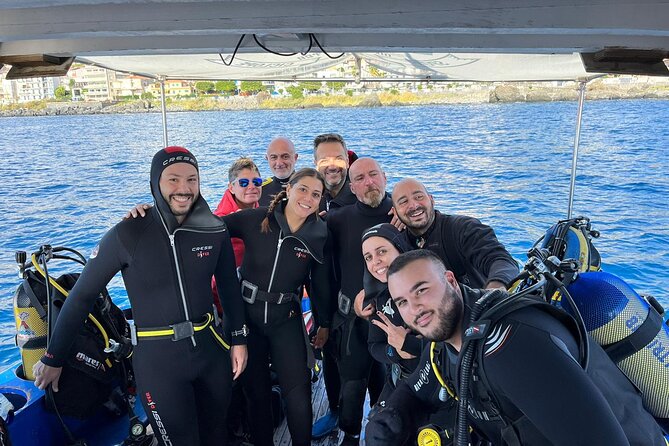
The course is designed to ramp up gradually. You start with skills in shallow water, then progress once you’ve met the instructor’s standards for comfort and competence.
That approach makes a difference for first-timers. You’re not just practicing once and hoping it sticks. You’re building confidence through repetition while your instructor watches for the moments where you might get tense, confused, or rush through steps.
A big part of why people feel safe with Andrea’s approach is that the instructor doesn’t ignore the emotional side. Fear shows up fast when you’re new to scuba systems. A patient, structured progression helps reduce that fear because you have a plan: do this, then that, then you’ll know what the next stage feels like.
You should also pay attention to the health and readiness requirements, because if you’re cleared medically you’ll get more out of the progression. That ties directly into staying calm and learning efficiently once you’re underwater.
One more detail that’s easy to overlook: the course is meant to implement certification standards. That means skills aren’t random. You’re learning what you’ll be evaluated on, which usually leads to smoother practice and clearer feedback.
Boat time near the port: what your training day feels like
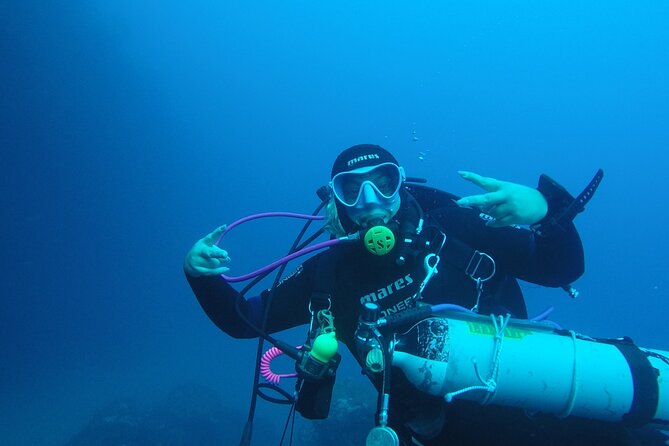
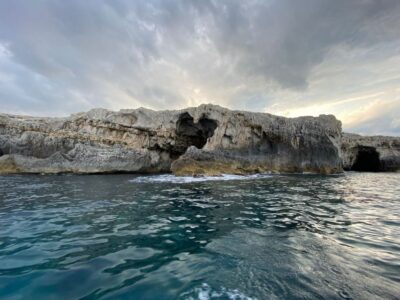
Even with all the focus on skills, there’s a real sense of place here. Once you move from the base area toward the port zone near Acitrezza, you shift from classroom mode into field mode.
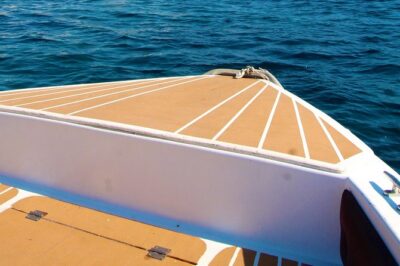
From the accounts you provided, the team uses a traditional boat. That’s not just aesthetic. A smaller, simpler boat setup often means less hassle and a more straightforward transition from shore to water practice.
Boat time also fits the overall pacing. You’re not stuck in transit for hours, and you’re not left waiting too long once you’re ready. The earlier wetsuit fitting helps keep the schedule from slipping.
What you’ll likely notice during the water portion is how quickly you build familiarity with your gear. When equipment is included and the instructor is guiding the workflow, you spend less time wrestling with setup and more time learning what each step is supposed to feel like.
Weather matters here. The experience is described as requiring good weather, so if conditions aren’t right, you’ll either get offered a different date or a full refund. In practice, that means you shouldn’t plan something critical for the same day that depends on consistent sea conditions.
If you want a training experience that still feels like an actual day on the water—not a sterile course—this setup does that well.
Certification, exam, and getting your international card
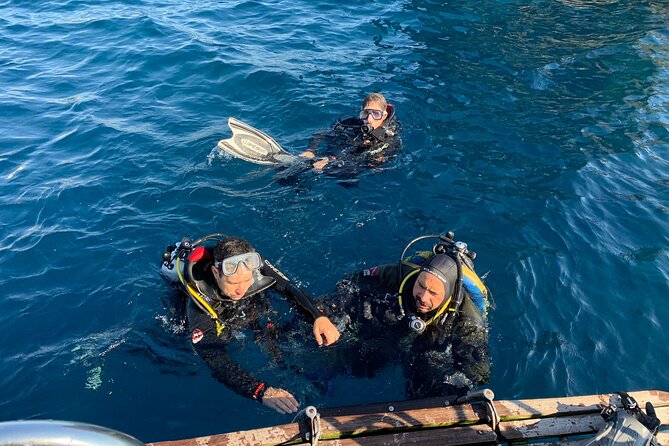
The end goal is clear: after finishing the course and passing the exam, you get international certification. That’s why this isn’t just an intro taster—your training is built around meeting standards and demonstrating skills.
What I like about that from a value perspective is that you’re paying for a complete learning arc. You get both the learning (classroom theory) and the assessment pathway (exam), plus the practice needed to reach that point.
Since evidence of dive certification is required from all divers wishing to participate in a certified dive, it’s worth reading that as: if you’re already certified and planning to join any certified-activity part, bring your proof. If you’re not certified, this course itself is the route to your new credential.
The exam being at the end also gives the course a clear structure. You’re not just collecting time underwater; you’re working with a goal that shapes how you focus each session.
And because the certification is international, you can use it later without needing to start over—assuming you match it to future scuba training requirements when you travel.
Price of $520.92: what you’re really paying for
$520.92 per person sounds like a big number until you break down what’s included.
You’re getting:
- all taxes, fees, and handling charges
- a professional guide
- the scuba training sessions
- scuba equipment rental
So you’re not paying extra for gear or core guiding services. For first-time courses especially, equipment costs and logistics can sneak up. Here, they’re folded into the price, which makes budgeting easier.
Also, you’re paying for a supervised learning progression designed to end with certification. That includes classroom time, instructor-guided water practice, and the exam process.
What’s not included is simply anything not specified under inclusions. That usually means personal items, food, and any optional add-ons are on you unless they’re stated. The details you provided don’t list meals, so plan your own.
Compared to paying separately for instruction plus gear plus an assessed program, the bundled price is often the way to go. It’s more predictable, and you spend less time coordinating and more time learning.
If you care about real credentials, not just a novelty experience, the value makes more sense.
Who should book this course, and who should think twice
This course is a good fit if you want structured beginner training with real certification and you like clear coaching. It’s also a solid choice if you’re traveling without your own gear, since rental equipment is included.
It’s especially suitable if you’re nervous about your first time underwater. The progression starts with shallow-water skills, and the instructor checks that everything is okay before moving deeper. That reduces the feeling of being rushed.
Most travelers can participate, but you do need to take the health screening seriously. You’ll be required to complete a health questionnaire prior to diving, and some pre-existing conditions (like asthma or heart conditions) may prevent you from participating—so it’s smart to ask your doctor if you have anything in those categories.
Also, diving within 48 hours of flying isn’t recommended. If you’ve got a flight just before this course, you should plan spacing carefully so you don’t run into readiness issues.
Finally, remember it requires good weather. If you’re booking during a period when conditions can change quickly, keep your schedule flexible.
Should you book Etna & Sea Excursion for Basic Scuba Diver?
If you want a beginner course that takes your learning seriously and doesn’t treat safety as an afterthought, I’d say book it—especially if you appreciate structured instruction and patient guidance.
The strongest reasons to choose it are practical: small group size, gear rental included, classroom-to-water coaching, and an international certification you earn after an exam. If you’re anxious about first-time underwater work, the shallow-to-deeper progression with Andrea’s safety checks is exactly what you want.
Skip (or at least double-check readiness) if you know you may have medical limitations that could show up on the health questionnaire. And if your travel dates are tight right after flying, you’ll want to rethink timing.
FAQ
Where is the meeting point for the course?
You meet at Via Provinciale, 23, 95021 Aci Castello CT, Italy. The activity ends back at the same meeting point.
What time does the course start?
Start time is 8:30 am.
How long is the Basic Scuba Diver course?
The duration is listed as approximately 2 days.
Is scuba equipment rental included?
Yes. Scuba equipment rental is included in the price.
Do I need prior certification?
Evidence of dive certification is required from all divers wishing to participate in a certified dive. If you are joining this course as your training path, your booking details still require you to follow the course requirements.
Will I need to complete a medical questionnaire?
Yes. All participants are required to complete a health questionnaire prior to diving.
Does the course depend on weather?
Yes. The experience requires good weather, and if it’s canceled due to poor weather, you’ll be offered a different date or a full refund.
What do I receive at the end of the course?
After the course and exam, you receive an international certification.
Is there a group size limit?
Yes. The maximum number of travelers is 15.
More Scuba Diving in Sicily

More Tour Reviews in Sicily




Just added: the newest Sicily tours in our notebook
- Etna / Taormina★ 5.0 · 3 reviews
- Bikes★ 5.0 · 3 reviews
- Taormina shore tour – for small group cruise passengers★ 5.0 · 3 reviews
- Vegan Cooking Class in Catania with Lunch and Dinner★ 5.0 · 3 reviews
- Make & Taste Sicilian Desserts in Palermo – Learn Cannoli & More★ 5.0 · 3 reviews
- Sicilian Villages & Ricotta Tasting – including Lunch from Cefalu★ 4.0 · 3 reviews
Scuba Diving, compared.
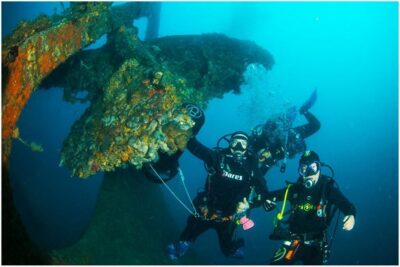 ★ 4.9Catania: Gulf Scuba Diving Tour with Marine BiologistFrom $82212 reviews
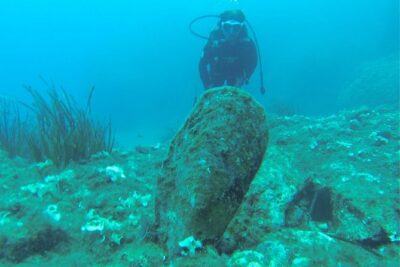 ★ 5.0Diving for patented diversFrom $157175 reviews
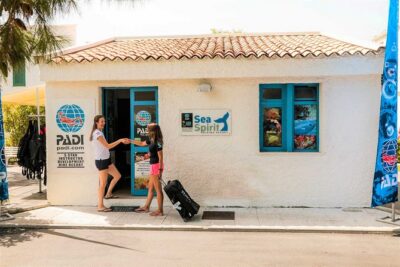 ★ 5.0Diving for certified divers with PADI 5* Diving Resort – TaorminaFrom $181167 reviews
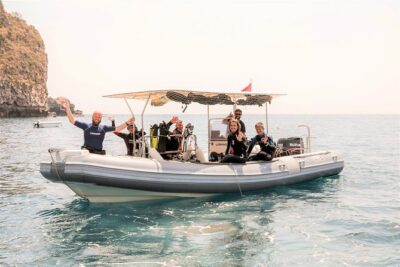 ★ 5.0Exciting PADI Discover Scuba Diving Experience Isola Bella Marine Park TaorminaFrom $19396 reviews
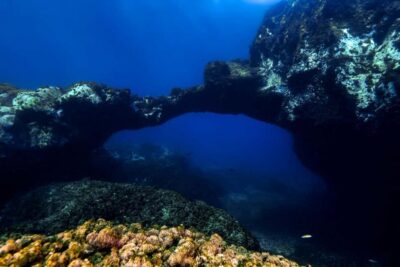 ★ 4.9Catania: Scuba Diving ExperienceFrom $9479 reviews
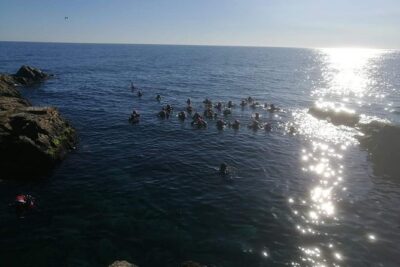 ★ 5.0Scuba ExperienceFrom $9654 reviews
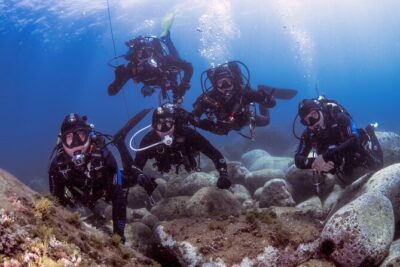 ★ 5.02 Dives from Diving Center (with full equipment)From $13248 reviews
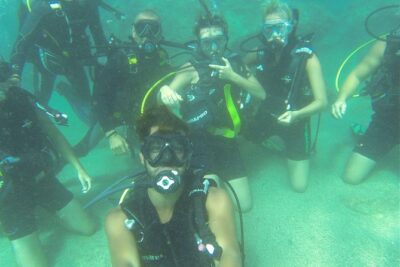 ★ 5.0Discover scuba divingFrom $14339 reviews
Browse the lists this tour appears in