
Reviewed · TAORMINA TOURS
Taormina: Guided Historic City Tour
Taormina is all about the view—then the details. This guided historic city tour starts at the cliffside Ancient Greek Theater (Teatro Greco) and quickly turns into a lesson on how Sicilian towns layer centuries on top of each other. I love how the itinerary pairs big-moment monuments with smaller stops you’d miss without a guide.
You’ll also get a rare mix of Gothic and Baroque architecture in one tight route—think Palazzo Corvaia and the Church of San Giuseppe—plus that easygoing wander through the historic center toward Taormina’s cathedral. One thing to plan for: tickets to the Greek Theater aren’t included, so you may need to buy or arrange them separately.
In This Review
- Key highlights at a glance
- Starting at the Teatro Greco: the view test
- Naumachia and the red-brick naval-battle centerpiece
- The Roman Odeon: smaller theater, bigger meaning
- Palazzo Corvaia: Gothic drama in the middle of town
- Catania Gate area and the Gothic Palazzo Duchi di Santo Stefano
- San Giuseppe’s Baroque character: where the mood shifts
- The cathedral of Taormina: built around 1400 on earlier ruins
- Private group, languages, and why $344.39 can make sense
- What to wear and how to pace yourself
- Who this tour fits best
- Should you book the Taormina historic city tour?
Key highlights at a glance
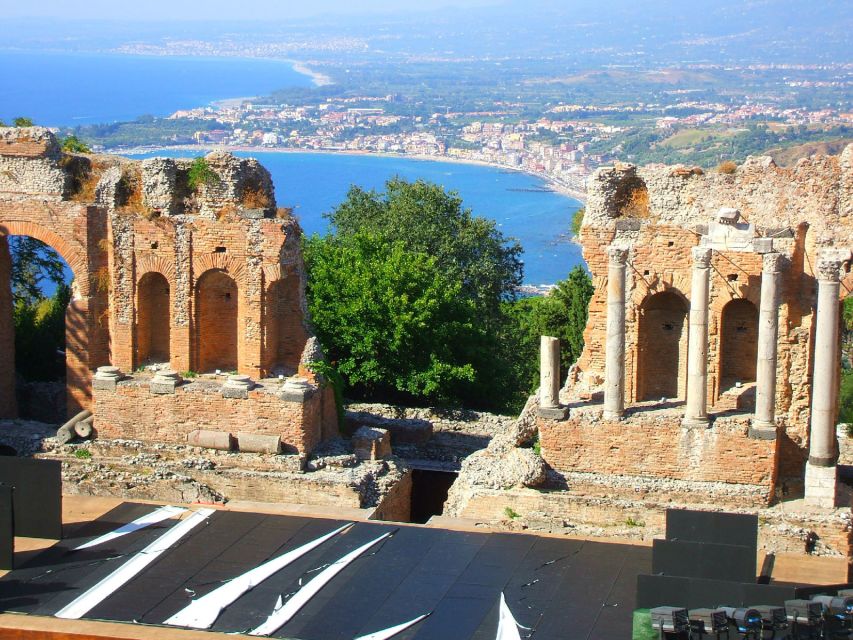
- Teatro Greco first: Start where the sea and Mount Etna frame the scene.
- Naumachia fountain: See the red-brick monumental naval-battle feature with a huge wall.
- Roman Odeon: A smaller ancient theater that helps you read the town’s Roman layers.
- Palazzo Corvaia + Gothic streets: Gothic facades that make the center feel more like a living museum.
- San Giuseppe to the Cathedral: Move from Baroque church beauty to a cathedral built around 1400.
Still wandering Taormina? Keep going
- Taormina: Ancient Theater Skip-the-Line Ticket & Audio Guide
★ 4.5 · 2,412 reviews - Seaview Cooking Class & Taormina local flavors with Chef Mimmo
★ 5.0 · 665 reviews - Taormina: Opera Performance in the Nazarena Theater
★ 4.7 · 651 reviews - Taormina: Boat Tour with Aperitif on Isola Bella
★ 4.2 · 647 reviews
Starting at the Teatro Greco: the view test
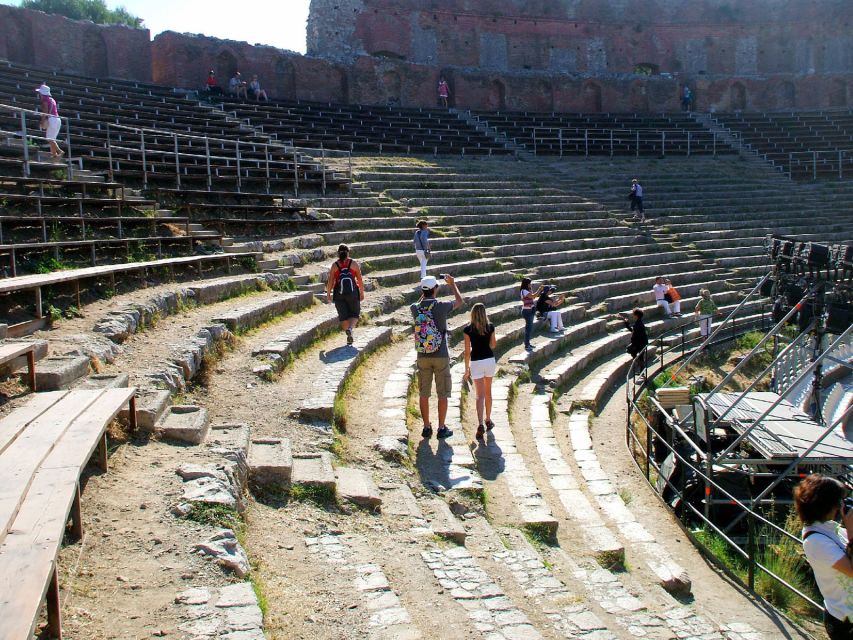
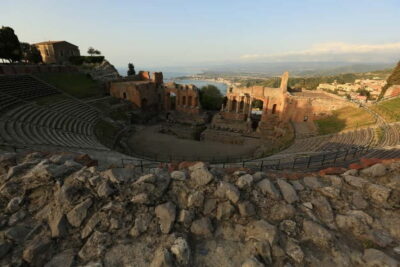
Your tour kicks off at the Ancient Greek Theater, also called the Teatro Greco. This is the big symbol of Taormina, carved into the side of a mountain, and it’s famous for a reason: you look out over the Ionian Sea with Mount Etna in the background when the weather cooperates.
In Roman times, this theater was renovated, and it could hold about 20,000 spectators. Today, it’s still used for concerts and cultural events, which makes it feel less like a ruin and more like a stage that still matters.
Practical note: Greek Theater tickets aren’t included. That doesn’t kill the experience—your guide is still the best way to understand what you’re seeing—but it’s worth factoring in extra time and cost if you’re planning to enter. If you’re simply there for the viewpoint and context, you still get plenty from the start.
Naumachia and the red-brick naval-battle centerpiece
After the theater, you’ll head to the Naumachia, a monumental fountain tied to the idea of a naval battle. What makes it stand out is its scale and its look: it’s described as a large red-brick feature formed by a wall over 100 meters long and about 5 meters high.
This is one of those stops where a guide earns their pay. Without context, you might see a striking structure and move on. With context, you start noticing how Taormina’s public spaces were designed for spectacle—this wasn’t meant to be quiet background scenery.
You also get a nice break in pace. The Naumachia helps break up the emotional rhythm: big view at the theater, then a dramatic human-made statement that’s all about size.
The Roman Odeon: smaller theater, bigger meaning
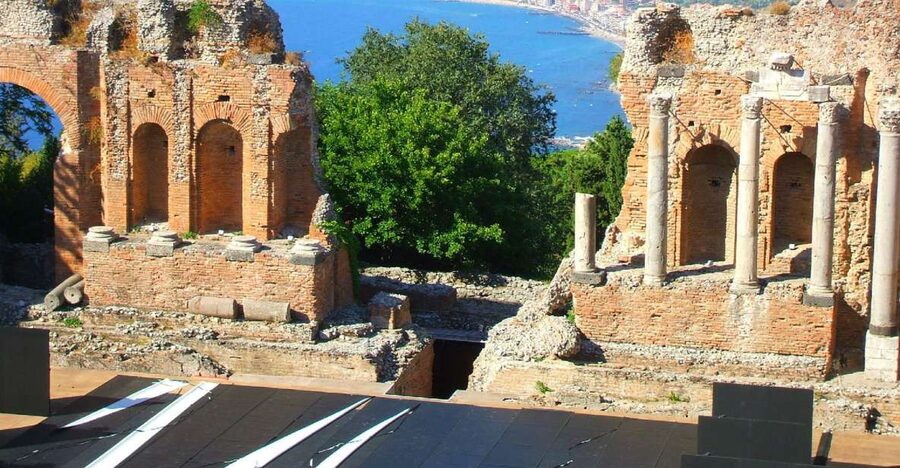
Next comes the Roman Odeon, a small ancient theater that helps connect the dots between Greek and Roman eras. It’s the kind of site where the scale feels different from the Greek Theater, but that’s the point. You can compare how each civilization used theater space and how the town adapted over time.
I like this stop because it changes your mental map. You stop thinking of Taormina as just a postcard and start seeing it as a place with planned cultural spaces, reused and reworked as power and taste changed.
Even if you’re not the type who reads every plaque, the guide’s route makes the comparison easy. You’ll understand what you’re looking at and why someone built (and rebuilt) it here.
Palazzo Corvaia: Gothic drama in the middle of town
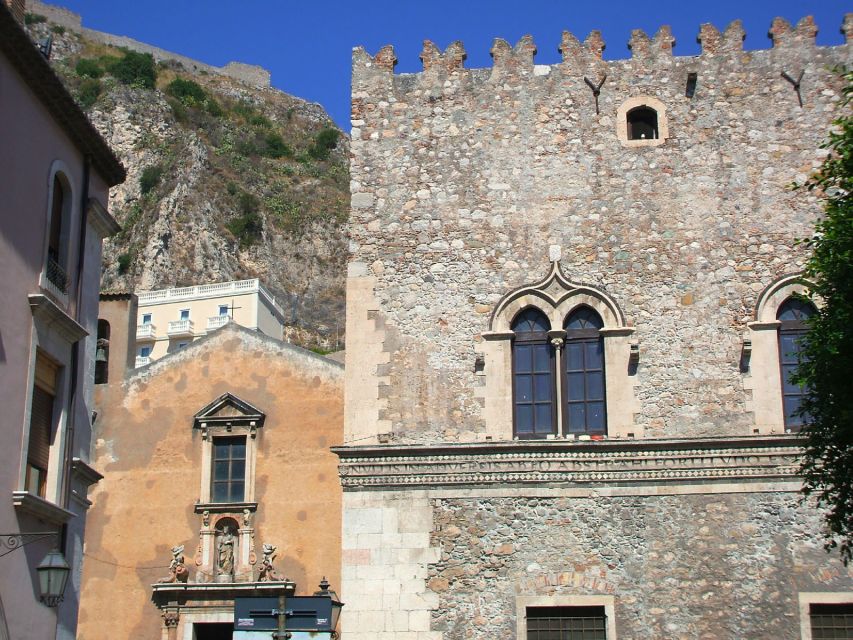
Then you’ll move into the center and visit Palazzo Corvaia, described as built in a purely Gothic style and often considered the most famous palace in Taormina. Gothic architecture can feel heavy in the wrong setting, but here it fits the town’s narrow streets and layered feel.
This is one of the moments where you’ll probably do the classic tourist move: look at the building up close, then look away and realize the street keeps pulling your attention back. The “historic center” part of this tour isn’t just walking between sights—it’s using the streets to frame the architecture.
If you care about design, this stop is a highlight. Gothic details make more sense once you’re inside the route and seeing how other buildings echo or contrast them.
A few we would gladly point a friend toward in Taormina

Catania Gate area and the Gothic Palazzo Duchi di Santo Stefano
From there, the tour brings you near the Catania Gate and to Palazzo Duchi di Santo Stefano, another Gothic-style building. Seeing two major Gothic palaces back-to-back is a smart move. It teaches you what “Gothic” means in Taormina, not just in general European terms.
This stretch also helps you orient yourself. Gates and entrances are natural landmarks in old towns, and being guided near the Catania Gate gives you a reference point for your own exploring later.
If you like to wander after a tour, these are the stops that make you feel confident heading off on your own. You’ll know where you are in the town, not just what you saw.
San Giuseppe’s Baroque character: where the mood shifts
As the tour continues, you’ll visit the Church of San Giuseppe, noted for its Baroque style. This is where the route deliberately changes the mood. If the Gothic palaces feel structured and formal, Baroque usually feels more expressive and theatrical—built to create an emotional impact.
I like Baroque church visits on walking tours because you get texture and form without needing a long museum time commitment. You also get a sense of what local religious life looked like as styles evolved.
After a couple of architectural stops, you’ll start noticing the different design language. That’s the value of guided pacing: you’re not just looking at one building—you’re learning how styles shift across the same streets.
The cathedral of Taormina: built around 1400 on earlier ruins
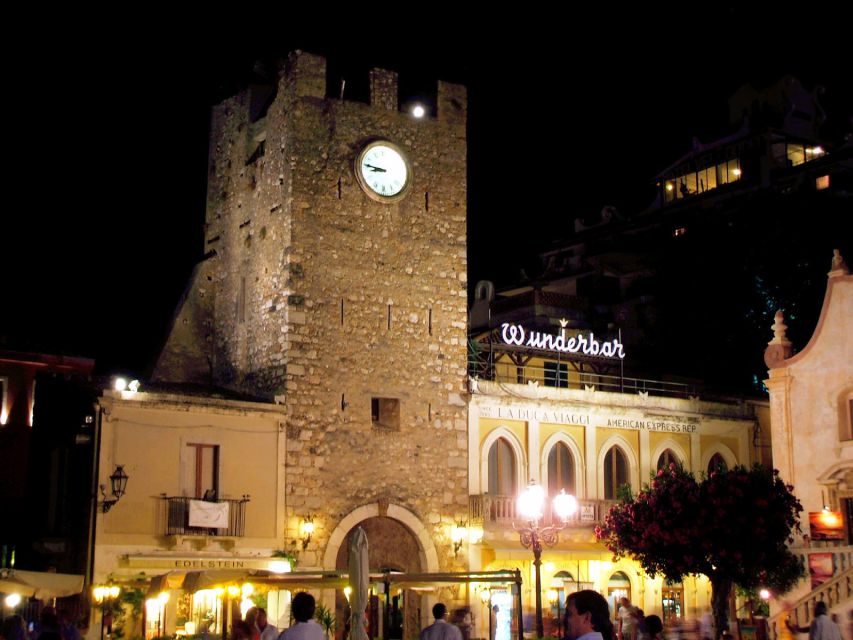
The tour ends at the Cathedral of Taormina, built around 1400 A.D. on the ruins of an earlier medieval church dedicated to St. Nicholas of Bari. That detail matters. It’s not only a pretty finish to the walk; it explains why Taormina’s religious sites feel layered and long-lasting.
A cathedral built over earlier worship space is a pattern you’ll see across Italy, and in Taormina it makes the town feel anchored. You’re not just moving from stop to stop—you’re ending where the story gathers.
You’ll also reach the cathedral as you’ve been strolling through the streets of the historic center, which is exactly the right kind of ending: a place that rewards slowing down a bit instead of sprinting between photos.
Private group, languages, and why $344.39 can make sense
This is a private group experience priced at $344.39 per group up to 25, with a licensed guide. For a group, that can be good value because the cost isn’t per person. If you’re traveling with friends or family, you may end up paying far less than you would for a standard per-person walking tour.
The tour lasts about 2 hours, which is a useful length in a town like Taormina. You get several major stops without spending your whole day in one place. And because the guide covers specific points—Teatro Greco, Naumachia, Roman Odeon, palaces, churches, and the cathedral—you’re not just sightseeing; you’re connecting the dots quickly.
Languages offered include English, French, German, and Italian. In practice, this matters because the guide’s ability to translate context turns monuments into something you can actually use while planning the rest of your stay.
From the experience itself (and the way it’s described by guides), the standout element is how the guide helps you see Taormina as a place, not just a list of sights. Guides such as Giovanna and Tiziana are highlighted for being friendly, professional, and effective at pointing out the interest points you’ll otherwise overlook.
What to wear and how to pace yourself
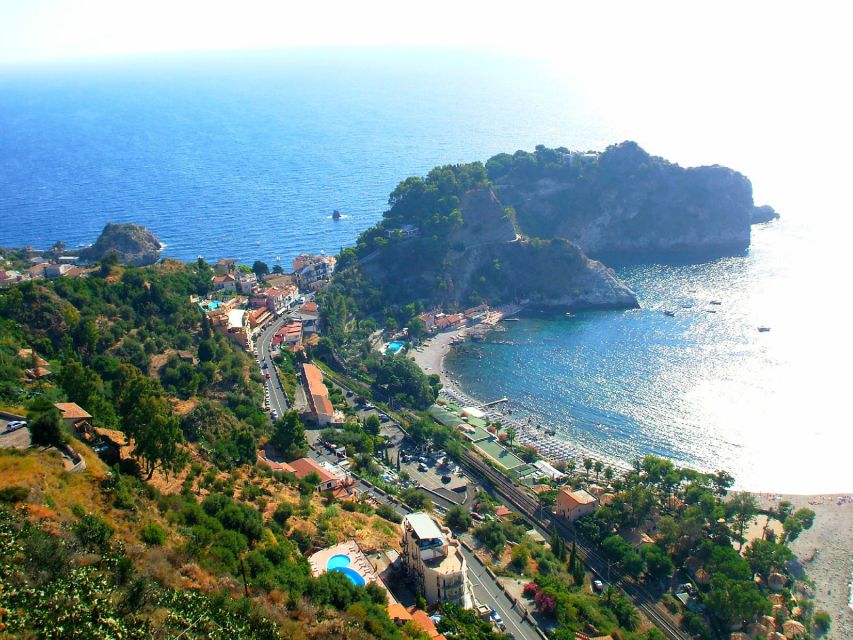
Taormina’s historic center is made for walking, and this tour moves through streets that make you slow down naturally. Plan for footwear that’s comfortable enough for an uneven, old-town route.
Also, remember that the Greek Theater tickets are separate. If you want to enter the theater itself, think about adding a little flexibility. If you’re arriving on a schedule, you may prefer to focus on the viewpoint and the guide’s explanation for the theater structure.
For a smooth experience, I’d treat the tour like a guided orientation plus a highlights loop. In two hours you’ll get the big names, the architectural shifts, and a sense of where everything sits relative to each other.
Who this tour fits best
This tour is a strong match if you:
- Want a focused 2-hour introduction to Taormina’s most important sites
- Care about architecture and want Gothic vs Baroque explained through real buildings
- Prefer a guide to help you read ancient sites like the Teatro Greco and Roman Odeon
- Are traveling with a group and want a private format
If you’re only looking for a self-guided photo walk, you might skip a guide. But if you want the meaning behind what you’re seeing, a licensed guide makes the difference.
Should you book the Taormina historic city tour?
Yes, book it if you want a smart, time-efficient way to see the core monuments and get context on how Taormina developed—from ancient theaters to medieval foundations to the Gothic and Baroque center.
I’d especially lean toward booking if you like learning while you walk and you’re traveling in a group where the per-group price up to 25 could be excellent value. Just plan ahead for the one main catch: Greek Theater tickets aren’t included, so decide early whether you’ll want to enter.
More Tours in Taormina





More Tour Reviews in Taormina


Taormina, a Few More Ways In
Just added: the newest Taormina tours in our notebook
- Godfather Tour from Messina cruise terminal to Savoca and Forza D’Agrò★ 3.5 · 3 reviews
- Taormina Sunset tour in search of dolphins with aperitif★ 3.5 · 3 reviews
- Boat tour:isola bella taormina★ 4.7 · 3 reviews
- Taormina: BOAT PARTY IN CATAMARANO NELLA BAIA DI TAORMINA★ 5.0 · 3 reviews
- Sea, Volcano and History: Giardini Naxos, Isolabella, Etna and Taormina★ 4.5 · 3 reviews
- Private One Day Tour to Taormina and Mount Etna★ 5.0 · 3 reviews
Taormina Tours, compared.
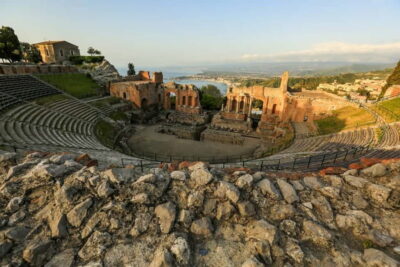 ★ 4.5Taormina: Ancient Theater Skip-the-Line Ticket & Audio GuideFrom $282,412 reviews
 ★ 5.0Mt. Etna and Taormina village full day tour from CataniaFrom $1181,155 reviews
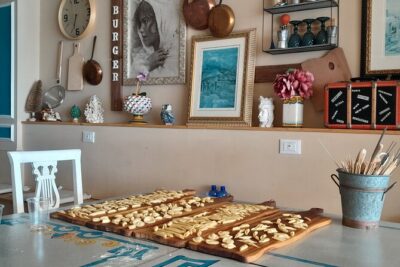 ★ 5.0Seaview Cooking Class & Taormina local flavors with Chef MimmoFrom $157665 reviews
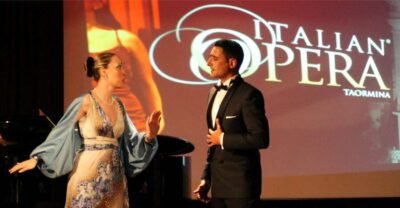 ★ 4.7Taormina: Opera Performance in the Nazarena TheaterFrom $35651 reviews
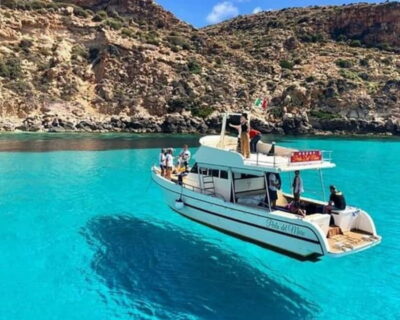 ★ 4.2Taormina: Boat Tour with Aperitif on Isola Bella647 reviews
 ★ 5.0Taormina and Castelmola Tour from MessinaFrom $114645 reviews
 ★ 4.8From Catania: Full-Day Mount Etna and Taormina Tour644 reviews
 ★ 5.0Mount Etna Half-Day Small Group Tour from TaorminaFrom $105628 reviews
Browse the lists this tour appears in