
Reviewed · TAORMINA TOURS
From Taormina: Syracuse and Noto Guided Day Trip by Bus
Syracuse and Noto in one day is a busy mix that hits hard. I like the way Neapolis Archaeological Park turns Greek legends into walkable, viewable reality, and I like the built-in shift from ancient sites to Ortigia’s Baroque streets and cathedral square. You get a proper “Sicily history class,” but the pacing still leaves room to look around.
The only real drawback: it is a long day on the coach, with early pickup and a lot of standing and walking at multiple stops. If you’re not comfortable moving for hours, plan on taking it slow and wearing grippy shoes.
In This Review
- Key things that make this trip work
- A long-day route that makes sense: Taormina to Syracuse to Noto
- Bus logistics from multiple pickup points (and why it affects your day)
- Syracuse and Ortigia: where Greek, Roman, and Baroque sit side by side
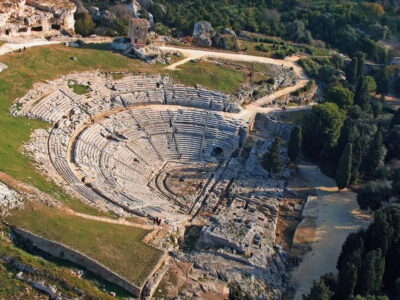
- Neapolis Archaeological Park: the Greek Theatre, Latomia, Ear of Dionysius, and more
- Cathedral Temple of Apollo and Ortigia’s waterfront mood
- Noto: Porta Reale to Corso Vittorio Emanuele and the Baroque highlights
- Timing, walking pace, and what you can realistically do in 10 hours
- Tickets and extra costs: what to budget beyond the $68 price
- Lunch in Ortigia: where a quick sandwich can save the day
- Who should book (and who should skip)
- The guide effect: why the name Christy comes up so often
- Should you book this Taormina bus trip to Syracuse and Noto?
- FAQ
- What’s included in the $68 price?
- How long is the day trip?
- Which places do you visit in Syracuse?
- Do you need tickets for the monuments?
- Is lunch included?
- What language(s) is the guide available in?
- What should I wear and bring?
- Is this tour suitable for wheelchair users or reduced mobility?
- Is free cancellation available?
Key things that make this trip work
- Christy’s multi-language storytelling: history comes with clear, on-the-ground context in the language your group uses (Italian, English, French, German).
- Neapolis Archaeological Park is the anchor: Greek Theatre, Latomia del Paradiso, the Ear of Dionysius, and the Roman Amphitheatre.
- Ortigia is the contrast: the Fountain of Arethusa, a walk along the Foro Italico, then the Cathedral Temple of Apollo and the Baroque square.
- Noto is Baroque as a whole-city style: Corso Vittorio Emanuele, Porta Reale, and key churches plus the Municipal Theatre area.
- Plan for extra tickets: Neapolis (around €16.50) and the Ortigia Duomo-area entry (around €2.00) are not included.
Still wandering Taormina? Keep going
- Taormina: Ancient Theater Skip-the-Line Ticket & Audio Guide
★ 4.5 · 2,412 reviews - Seaview Cooking Class & Taormina local flavors with Chef Mimmo
★ 5.0 · 665 reviews - Taormina: Opera Performance in the Nazarena Theater
★ 4.7 · 651 reviews - Taormina: Boat Tour with Aperitif on Isola Bella
★ 4.2 · 647 reviews
A long-day route that makes sense: Taormina to Syracuse to Noto
This is the kind of trip that works best when you want variety without renting a car. You leave Taormina early, ride a private GT bus, and spend most of the day inside the two biggest draws: Syracuse’s old layers and Noto’s Baroque glow.
The tour runs about 10 hours, with pickup from several points around the Taormina area (for example Taormina terminal bus around 7:20). That early start is the trade-off for fitting two towns into one day. If you’re coming from Taormina, this is about as efficient as you’ll get for seeing both places in daylight.
Also, you’re not stuck with only one guide voice. There’s an on-board guide during the bus ride, and then a local guide on site once you reach the monuments. It’s one of those details that matters: you spend less time figuring out what you’re looking at and more time looking.
Bus logistics from multiple pickup points (and why it affects your day)
You’ll get picked up at one of five options, depending on where you’re staying. The departure times listed are early morning across the board, including around 7:00 in Letojanni, 7:10 at the Cable Car Mazzarò, and 7:20 at the Taormina terminal bus, with other nearby stops after that.
Two things to expect:
- A short service stop is built in during the drive. It helps, but you still want a snack mindset for the day.
- Because pickup options are spread out, you’ll feel the trip as either “smooth and quick” or “long and early.” If you’re first picked up, your morning will be longer.
One practical tip: bring something small for the early hours (water and a snack if you’re the kind who gets hungry before lunch). Lunch isn’t included, and the schedule is built around guided sightseeing plus free time.
Syracuse and Ortigia: where Greek, Roman, and Baroque sit side by side
Syracuse is the star here, but it’s not just one “thing.” The day splits the city into its different historical moods.
First you hit Neapolis Archaeological Park, then you move to Ortigia, which is the historical core of Syracuse. That structure is smart. Neapolis gives you the big ancient skyline feel, while Ortigia brings you down to street level—church façades, waterfront views, and the kind of squares where you can actually pause and take photos.
Even if you only know Syracuse from a few famous names, the guided approach helps you connect the dots. One of the most praised parts of the trip is how the guide explains the history in a way that makes the ruins feel like more than rocks.
Neapolis Archaeological Park: the Greek Theatre, Latomia, Ear of Dionysius, and more
Neapolis is where you should expect the most walking. You’ll go through a guided route of the most characteristic parts of the old Greek town, including:
- Greek Theatre
- Latomia del Paradiso (the stone-quarry landscape)
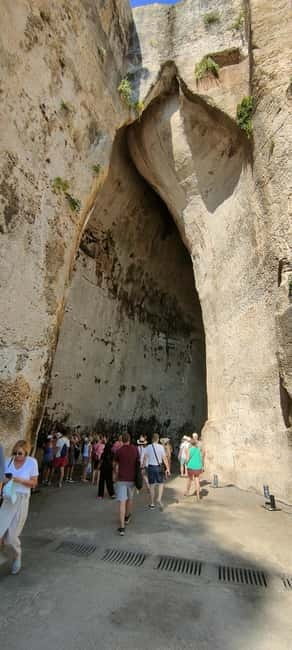
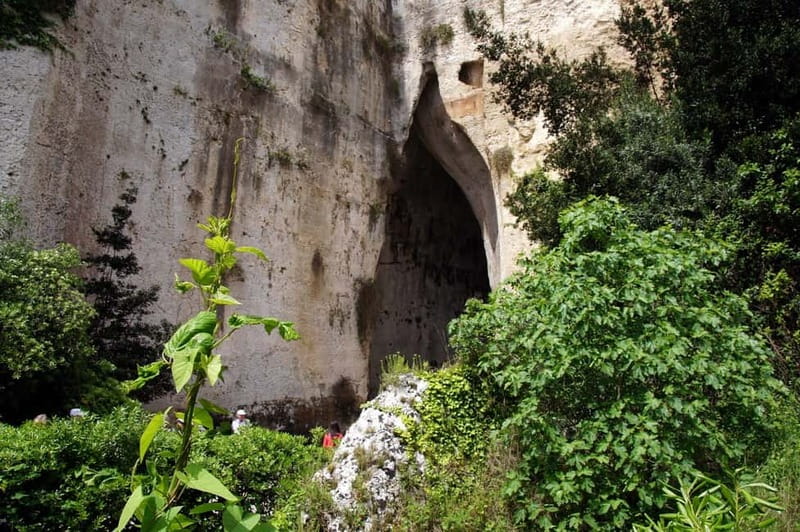
- The Ear of Dionysius
- Roman Amphitheatre
What I like about this section is the way it blends place + story. The Greek Theatre isn’t just a seating bowl; your guide ties it to why the site matters and what you’d be seeing in the original context. The Latomia area, with its quarry feel, is especially memorable because it changes the atmosphere—less open-air and more enclosed, which makes the history feel more physical.
The Ear of Dionysius is also the kind of stop where explanations really help. If you like learning why a place is famous, don’t rush it. Pause, listen to what’s being said, and then re-look at the rock formations with that in mind.
A caution from the overall pacing: you won’t have the luxury of lingering for hours. Some people want extra time at the theatre area. If that’s you, treat the visit like a “high-impact overview” and plan to come back later if Syracuse is a top priority.
Deeper into Ortigia and old Syracuse
Cathedral Temple of Apollo and Ortigia’s waterfront mood
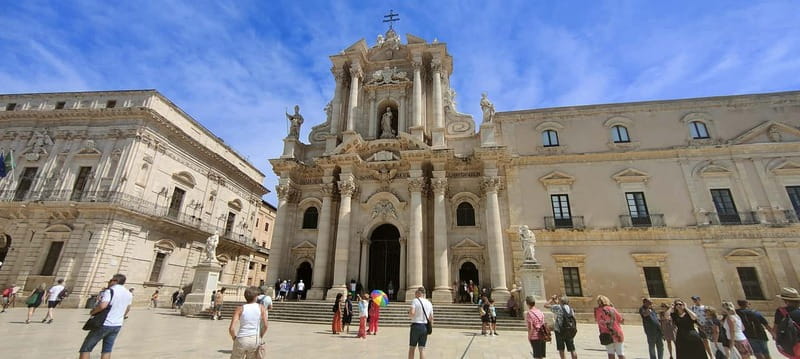
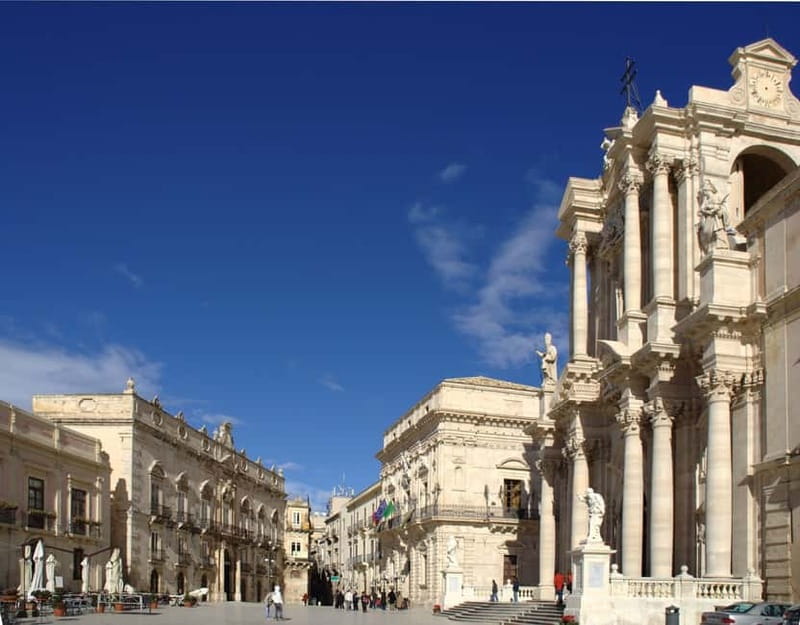
After Neapolis, the tour shifts to Ortigia island and the street-level center of the city. You’ll start with a walk along the Foro Italico to the Fountain of Arethusa.
The Fountain of Arethusa is one of those surprisingly pretty moments that breaks up the ancient-ruins feeling. It’s a freshwater spring that creates a natural pool with papyrus plants, set on a terrace that looks out toward the sea. Even on a busy day, this is worth slowing down for a few minutes.
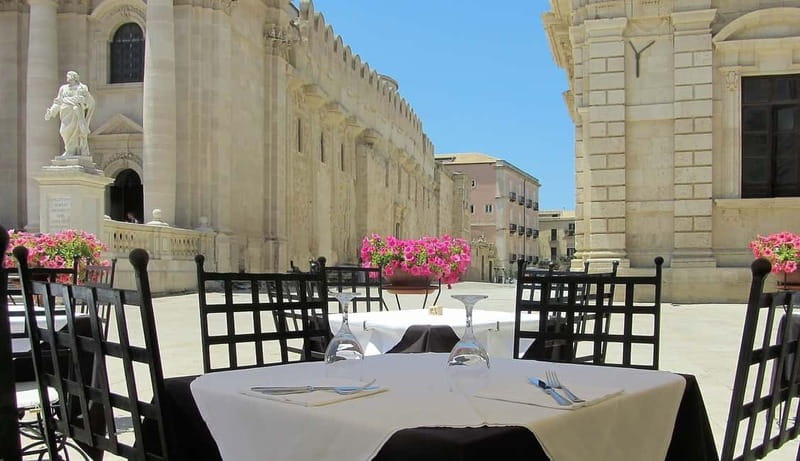
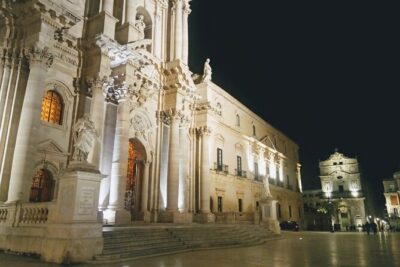
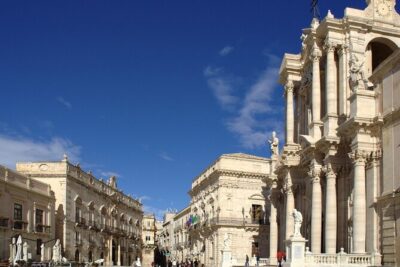
From there, you visit the Cathedral Temple of Apollo, then step into the Baroque square where the cathedral stands. This is one of the clearest examples of Syracuse doing both extremes well: ancient foundations nearby, then later styles taking over the visual center.
You’ll get free time after these cathedral-area visits. Use that time to just wander the lanes around Ortigia and reset. When your next stop is Noto, you’ll be thankful for even a short break.
Noto: Porta Reale to Corso Vittorio Emanuele and the Baroque highlights
Noto is called the capital of Baroque for a reason, and this stop is built to show it as a city style, not just a single monument.
You’ll head there right after leaving Syracuse, and you’ll get:
- A photo stop and then walk time (around an hour in the main schedule)
- Guided highlights as you move through the historic center
You’ll pass through Porta Reale (Royal Gate) and then walk along Corso Vittorio Emanuele, one of the key elegant streets where Baroque buildings stack up with that strong “uniform” look Noto is known for.
The guided highlights include:
- Church of S. Chiara
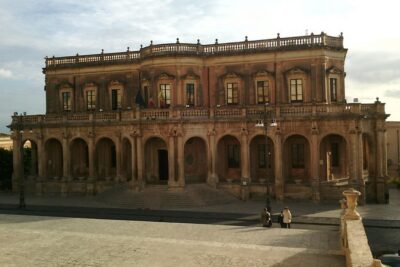
- Palazzo Landolina
- Cathedral of S. Nicolò
- Church of S. Domenico
- Views around the Municipal Theatre area
Here’s the value of this structure: you don’t just stand in front of one façade. You move along the street and let the Baroque effect accumulate. That’s the way you notice the craftsmanship and the overall visual plan.
If you love architecture, you’ll probably want more time in Noto than the schedule allows. But as an introduction, this trip does a solid job of making you understand what people mean when they say Baroque in Noto.
Timing, walking pace, and what you can realistically do in 10 hours
This is a 10-hour day, and the time is packed. You can feel that in two ways:
- You’ll get guided tours of the biggest hits, but you won’t get long self-guided hangs at every stop.
- The itinerary includes multiple walking segments, including inside and around historic centers and the Neapolis park area.
A note from how the day is described: the tour assumes you’re able to walk and that you’re comfortable visiting churches. The guidance also specifically recommends comfortable shoes and appropriate clothing for church visits.
If it rains, the ruins still exist, but the experience changes. You’ll be outside for parts of Neapolis and the walks around both cities. Wear shoes that handle slick stone and keep an eye on your footing.
Tickets and extra costs: what to budget beyond the $68 price
The headline price is $68 per person, and it includes the tour guide and private bus. That’s the core value: transport + guided interpretation for two major sightseeing zones.
But a few key extras aren’t included:
- Neapolis Archaeological Park entry: around €16.50 per person
- Duomo Ortigia entry: around €2.00 per person
- Lunch and drinks: not included
So what does that mean in real terms? You’ll likely end up with a “base tour” plus these monument entries, then your own lunch choice. If you go in with that mindset, there are no surprises.
One practical tip: if you buy or are issued a Neapolis ticket, keep it and make sure you can show it at entry points. The day uses multiple checkpoints, and having the ticket handy avoids delays.
Lunch in Ortigia: where a quick sandwich can save the day
Lunch isn’t included, and the schedule leaves you only limited time in town before you need to move on. The easiest approach is to grab something you can eat and get back to walking without losing your whole lunch window.
A tip that came up: having a sandwich from Borderi in Ortigia can be a good way to keep momentum. This kind of fast, local lunch choice is especially helpful here because the day is long and you’ll want energy for the next leg to Noto.
Who should book (and who should skip)
This tour is a strong fit if you:
- Want guided history paired with major sightseeing stops
- Like the idea of visiting Syracuse + Noto together without planning logistics
- Are comfortable with a long day and lots of walking
- Appreciate churches and architecture enough to dress appropriately
It’s not a great fit if you:
- Need step-free access or wheelchair-friendly routing (it’s listed as not suitable for wheelchair users and mobility impairments)
- Prefer slow travel with lots of free exploration time in one place (this day is efficient, not leisurely)
The guide effect: why the name Christy comes up so often
A standout theme is the guide. Many people highlight Christy for being clear, organized, and easy to follow, with strong multi-language delivery. That matters on this route because it’s not just a sightseeing loop—you’re bouncing between sites that can feel disconnected unless someone connects them.
If you like learning as you walk, this tour’s format is designed for you: bus narration to set context, then local guiding where it counts most.
Should you book this Taormina bus trip to Syracuse and Noto?
Book it if you want the most efficient, guided way to see Syracuse and Noto in daylight without renting a car. The combination of Neapolis Archaeological Park plus Ortigia’s cathedral and waterfront plus Noto’s Baroque core is exactly the kind of “big Sicily hits” combo that works well as a single day trip.
Skip it or consider a slower option if your priority is spending long, relaxed time at just one site—especially at Neapolis or inside the Noto center. This tour gives you breadth and strong introductions, not extended wandering.
If you’re comfortable with early pickup, a packed schedule, and walking in historic areas, this is a very solid value way to experience two of Sicily’s most important cities.
FAQ
What’s included in the $68 price?
The tour price includes a tour guide and private bus transport.
How long is the day trip?
It runs about 10 hours.
Which places do you visit in Syracuse?
You visit Neapolis Archaeological Park (Greek Theatre, Latomia del Paradiso, Ear of Dionysius, and Roman Amphitheatre) and Ortigia, including a walk to the Fountain of Arethusa and a visit around the Cathedral Temple of Apollo area.
Do you need tickets for the monuments?
Yes. Neapolis Archaeological Park entry is around €16.50 per person, and Duomo Ortigia is around €2.00 per person. These are not included.
Is lunch included?
No. Lunch and drinks are not included.
What language(s) is the guide available in?
The live guide is available in Italian, English, French, and German.
What should I wear and bring?
Wear comfortable shoes and bring clothing appropriate for church visits.
Is this tour suitable for wheelchair users or reduced mobility?
No. It’s listed as not suitable for people with mobility impairments or wheelchair users.
Is free cancellation available?
Yes. You can cancel up to 24 hours in advance for a full refund.
More Baroque Towns to Reach



More of Syracuse and Ortigia


Taormina, a Few More Ways In



Just added: the newest Taormina tours in our notebook
- Godfather Tour from Messina cruise terminal to Savoca and Forza D’Agrò★ 3.5 · 3 reviews
- Taormina Sunset tour in search of dolphins with aperitif★ 3.5 · 3 reviews
- Boat tour:isola bella taormina★ 4.7 · 3 reviews
- Taormina: BOAT PARTY IN CATAMARANO NELLA BAIA DI TAORMINA★ 5.0 · 3 reviews
- Sea, Volcano and History: Giardini Naxos, Isolabella, Etna and Taormina★ 4.5 · 3 reviews
- Private One Day Tour to Taormina and Mount Etna★ 5.0 · 3 reviews
Taormina Tours, compared.
 ★ 4.5Taormina: Ancient Theater Skip-the-Line Ticket & Audio GuideFrom $282,412 reviews
 ★ 5.0Mt. Etna and Taormina village full day tour from CataniaFrom $1181,155 reviews
 ★ 5.0Seaview Cooking Class & Taormina local flavors with Chef MimmoFrom $157665 reviews
 ★ 4.7Taormina: Opera Performance in the Nazarena TheaterFrom $35651 reviews
 ★ 4.2Taormina: Boat Tour with Aperitif on Isola Bella647 reviews
 ★ 5.0Taormina and Castelmola Tour from MessinaFrom $114645 reviews
 ★ 4.8From Catania: Full-Day Mount Etna and Taormina Tour644 reviews
 ★ 5.0Mount Etna Half-Day Small Group Tour from TaorminaFrom $105628 reviews
Browse the lists this tour appears in